
Our Scientific Advisory Board
The Scientific Advisory Board (SAB) provides strategic guidance and direction for our research and scientific programs. It plays a key role in guiding and prioritizing Komen’s global research investment and serves as the executive committee of the Komen Scholars. The SAB is led by the chief scientific advisors and is comprised of leaders in breast cancer research, clinical practice and advocacy who have made significant contributions to advancing the field and are committed to furthering Komen’s mission.

“After I received a call from my best friend from high school (both of us 30 at the time) and supporting her through fears, treatment decisions, and survivorship concerns, I saw the patient perspective and came to recognize the importance of optimizing communication and decision-making.”
Ann H. Partridge, M.D., M.P.H., is the Eric P. Winer, M.D., Chair in Breast Cancer Research, Vice Chair of the Department of Medical Oncology, Chief Clinical Strategy Officer, and the co-Founder and Director of the Program for Young Adults with Breast Cancer at the Dana-Farber Cancer Institute and Professor of Medicine at Harvard Medical School.
Dr. Partridge’s research focus is to improve the outcomes of cancer patients by understanding the disease and the contributions of psychosocial, behavioral and communications issues in breast cancer care and treatment, particularly in young adults. Her work has been pivotal in characterizing a range of issues of young breast cancer survivors, including the impact of treatment on fertility, adherence with hormonal therapy, psychological adaptation to the diagnosis and the factors that play an important role in patient decision-making. She has also collaborated with other investigators to identify molecular differences in tumors found in young patients and identify potential biomarkers of long-term effects. Dr. Partridge’s Komen-funded research is focused on characterizing young women at diagnosis and in follow-up regarding disease and psychosocial outcomes (presentation and disease characteristics, treatment patterns and quality of care, short and long-term side effects, and psychosocial concerns including fertility, sexual functioning, and menopausal issues) to develop predictors of and ultimately improve outcomes of young adults with breast cancer.
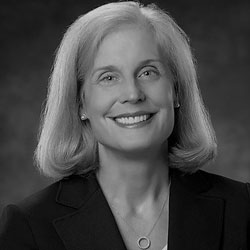
“I am deeply grateful for the opportunity to contribute to Komen and to engage in dynamic collaboration with fellow passionate investigators. Together, we are dedicated to investing in discovery research and driving meaningful advances to prevent breast cancer and deliver tangible clinical benefits to patients with the disease. This collective effort fuels innovation and fosters a community committed to making a lasting impact.”
Jennifer Pietenpol, Ph.D., is the Chief Scientific and Strategy Officer at Vanderbilt-Ingram Cancer Center and Executive Vice President for Research at Vanderbilt University Medical Center.
Dr. Pietenpol’s individual research program focuses on breast cancer and the p53 family signaling network. She has integrated her research expertise in tumor suppressor genes and molecular genetics with bioinformatic analysis of high dimensional genomic data sets to subtype difficult-to-treat, triple negative breast cancer (TNBC) and translate the results to clinical endpoints. Dr. Pietenpol’s Komen-funded research is focused on determining the molecular underpinnings of distinct TNBC subtypes and translating these findings to clinical trials investigating targeted therapies to develop the most appropriate and precise treatments for TNBC breast cancer patients.

“I have long been an advocate of the importance of integrating basic and clinical research. This approach has facilitated the development of completely novel approaches to cancer therapy built on biological principles.”
Alan Ashworth, Ph.D., F.R.S., is President of the UCSF Helen Diller Family Comprehensive Cancer Center in San Francisco, a role he began in January 2015. He was previously Chief Executive of the Institute of Cancer Research (ICR) in London, United Kingdom. A translational biologist and laboratory researcher, Dr. Ashworth’s research focuses on understanding breast cancer genetics and applying what he learns to change the way patients are treated. He was a key part of the team that identified the BRCA2 breast cancer susceptibility gene in 1995, which is linked to an increased risk of some types of cancer. Ten years later, Dr. Ashworth found a way to kill off BRCA1- and 2-related tumor cells by treating them with Poly(ADP-ribose) polymerase (PARP) activity inhibitors, which amplify the damage caused by the broken DNA repair machinery in those cells. This therapeutic approach is now standard of care for BRCA-related breast and ovarian cancer. Dr. Ashworth’s Komen-funded research builds on his previous work and aims to identify genes and proteins that can be targeted with drugs to cause death of breast tumor cells in particular individuals with the goal of identifying new and better therapy options for breast cancer patients.

“It is important to me to advocate for greater participation in clinical trials for all potential patients, but specifically for African American patients because of underrepresentation in these trials. I believe that the patient’s perspective in a trial is an essential key to the successful design and execution of a study. Additionally, I strive to be an educator of breast cancer and clinical trials to my community.”
Thelma Brown is an Advocates in Science (AIS) member from Birmingham, Alabama, and currently serves as the Advocate representative for Komen’s Scientific Advisory Board. She is a former AIS Steering Committee Chair and Vice-Chair of the AIS Membership Committee. Thelma formerly worked as a Safety Analysis Engineer in the nuclear power industry and was initially diagnosed with estrogen receptor-positive (ER+) breast cancer in 2008. Prompted by her family history of the disease, Thelma became involved with Susan G. Komen even before her diagnosis, concentrating her efforts on outreach and education as well as research advocacy. She has served as an advocate with the University of Alabama at Birmingham (UAB) and the Translational Breast Cancer Research Consortium (TBCRC). She currently serves on the American Society of Clinical Oncology (ASCO) Breast Cancer Guidelines Advisory Group and the National Cancer Institute (NCI) Breast Cancer Steering and Patient Advocate Steering Committees. She is also an active member of the Metastatic Breast Cancer Alliance (MBC Alliance) and is a member of the Board of Directors of the Inflammatory Breast Cancer Research Foundation (IBCRF). In addition to being keenly interested in cutting edge research that will lead to more effective, less toxic treatments, she is passionate about research and clinical trials being inclusive, ensuring that all will benefit from breakthroughs.
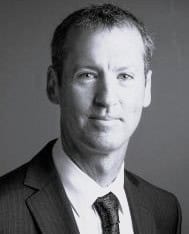
“Tremendous progress has been made in the fight against HER2-positive breast cancer through the development of highly potent HER2-targeted therapies. Komen is providing critical support to allow us to develop novel approaches to tailor the use of these drugs to each patient, in order to improve their effectiveness and minimize side effects.”
Ian E. Krop, M.D., Ph.D., is a Professor of Medicine at Yale School of Medicine and the Associate Cancer Center Director for Clinical Sciences, Director of the Clinical Trial Office and Chief Clinical Research Officer at Yale Cancer Center. He also serves as the Chief Scientific Officer for the Translational Breast Cancer Research Consortium (TBCRC). Dr. Krop is a translational researcher and medical oncologist whose primary research focuses on understanding and overcoming mechanisms of resistance to HER2-directed therapies. Dr. Krop played a major role in developing T-DM1 (KADCYLA® or trastuzumab emtansine) and trastuzumab deruxtecan (ENHERTU®), new targeted therapies for HER2-positive breast cancers, including metastatic breast cancer. Dr. Krop’s Komen-funded research is focused on utilizing highly sensitive tests for circulating tumor DNA to optimize trastuzumab deruxtecan treatment to maximize effectiveness and minimize side effects in patients with newly diagnosed HER2-positive breast cancer.

“Every advance in breast cancer outcomes has come from research, be it fundamental, translational, or clinical. My passion and goal is to accelerate these advances to help men and women who have breast cancer and to ultimately provide a cure.”
Dr. Adrian Lee is Professor of Pharmacology & Chemical Biology at the University of Pittsburgh and University of Pittsburgh Medical Center (UPMC) Hillman Cancer Center. Dr. Lee is the Pittsburgh Foundation Chair and Director of the Institute for Precision Medicine (IPM), a joint effort by the University of Pittsburgh and UPMC to move biomedical precision medicine research into personalized well-being and clinical care. He received his BSc in Biochemistry from the University of Kent and his PhD from the Imperial Cancer Research Fund at the University of Surrey. His laboratory studies the molecular basis of breast cancer development and resistance to therapy, with the goal to improve precision medicine and outcomes for breast cancer patients. The laboratory employs a systems biology approach, utilizing a combination of single cell, spatial and bulk sequencing, computational methods, and biological models to identify and validate new drivers and therapeutic targets. A major focus of the laboratory is identifying mechanisms of resistance to endocrine therapy, and new approaches to blocking breast cancer metastasis through precision medicine. This includes the study of estrogen receptor (ESR1) mutations and fusions and synergism with growth factor pathways. A special focus is on the understanding of invasive lobular cancer (ILC), the second most common but understudied histological subtype of breast cancer. In 2018, Dr. Lee was awarded the Terri L. Chapman Award from Susan G. Komen, the PNC Elise Hillman Distinguished Scholar Award and the University of Pittsburgh Biomedical Graduate Scholar Association (BGSA) Distinguished Mentor Award. Dr. Lee’s Komen-funded research is focused on developing a publicly available resource of patient-derived organoid 3D model cultures of primary and metastatic breast cancers by characterizing and validating these model cultures which are derived from tumor cells of different ancestries, subtypes and stages to generate a living biobank to serve as preclinical models for the research community.

“I am extremely grateful for having received grant support from Susan G. Komen that was instrumental in advancing my breast cancer research partnership between the United States and Africa – a wonderful intersection between the interests of global advocacy and improving breast health care in sub-Saharan Africa.”
Lisa A. Newman, M.D., M.P.H., FACS, FASCO is a surgical oncologist. She is the Chief of the Division of Breast Surgery and Director of the Interdisciplinary Breast Disease Program for the Weill Cornell Medicine-New York Presbyterian Hospital Network. She is also the Founding Medical Director for the International Center for the Study of Breast Cancer Subtypes, also now located at Weill Cornell Medicine. Dr. Newman is a member of the National Academy of Medicine. Dr. Newman’s main research area of interest has focused on race/ethnicity-related variation in breast cancer risk and outcome. She oversees an international breast cancer research and training program involving a network of physicians and facilities in Ghana, Ethiopia, Nigeria and Uganda. This program has concentrated on studying triple negative breast cancer in women with African ancestry. Dr. Newman’s leadership has created a new research field called oncologic anthropology, which evaluates cancer risk related to ancestry and population migration patterns in the context of social determinants of health. Dr. Newman’s Komen-funded research is focused on defining triple negative breast cancer subtypes in diverse populations and establishing a unique resource of gene expression profiles in breast cancer patients with African ancestry.

“Breast cancer is personal for all of us. My wife’s grandmother passed away from breast cancer after a three-year struggle with recurrent disease. Her courage and ability to live life to the fullest inspired me to find new therapies and a cure for breast cancer.”
Ben Ho Park, M.D., Ph.D., is the Benjamin F. Byrd Jr. Chair in Oncology and Professor of Medicine at Vanderbilt University Medical Center. He is also Director of the Vanderbilt‐Ingram Cancer Center. He received his M.D. and Ph.D. degrees in 1995 at The University of Pennsylvania School of Medicine and pursued further training in Internal Medicine and Hematology/Oncology at the University of Pennsylvania. He went to Johns Hopkins University for a postdoctoral fellowship in cancer genetics, before joining its faculty in 2002. He was recruited to Vanderbilt in 2018. Dr. Park’s research interests include the use of genetic models to identify, validate, and develop targeted therapies for breast cancer. He specifically studies the PI3K/AKT signaling pathway, and his work identified the high frequency of mutations in the PIK3CA gene in human breast cancers, opening the door for PI3K‐targeted therapies in breast cancer. Dr. Park’s Komen-funded research is focused on identifying therapeutic vulnerabilities in specific gene variants that cause missplicing of RNA to promote breast cancer.

“The frustration I felt many times during my medical training for not being able to do enough for patients was one of the main driving forces that directed me into cancer research and continues to be my main motivation.”
Kornelia Polyak, M.D., Ph.D., is a Professor of Medicine at Harvard Medical School and the Dana-Farber Cancer Institute in Boston, MA. She is also Principal Faculty at the Harvard Stem Cell Institute and is an Associate Member at The Broad Institute. Dr. Polyak’s laboratory is dedicated to improving the clinical management of breast cancer patients through understanding the drivers of breast tumor evolution. She has been at the forefront of studies analyzing mechanisms driving ductal carcinoma in situ (DCIS) to invasive breast cancer transition at the single-cell level and applying mathematical and ecological models to better understanding breast tumor evolution. Her work has shed light on tumor evolution in women carrying BRCA1/2 germline mutation as well as deciphered the large diversity of cells within a tumor (intratumor heterogeneity). Dr. Polyak never loses track of her goal of eradicating suffering from breast cancer and pushes her findings to the clinic, including the testing in clinical trials of the efficacy of Janus kinase (JAK) and bromodomain and extra-terminal proteins (BET) inhibitors for the treatment of breast cancer. Dr. Polyak’s Komen-funded research is focused on developing new molecular approaches to breast cancer risk prediction and prevention with a special focus on younger and high risk women.

“I am passionate about reducing breast cancer incidence in Hispanic/Latina and all women, as reflected in my research and outreach efforts. I am honored to be a part of Susan G. Komen’s extensive activities to reach women of color and reduce breast cancer health disparities.”
Amelie G. Ramirez, Dr.P.H., M.P.H., an internationally recognized cancer and chronic disease health disparities researcher, is Chair and Professor of Population Health Sciences at UT Health San Antonio, where she is also the founding Director of the Institute for Health Promotion Research and Associate Director of Community Outreach and Engagement at the Mays Cancer Center, UT Health San Antonio’s NCI-designated Cancer Center. For over 30 years, Dr. Ramirez has led behavioral and communications research that has reduced cancer and chronic disease, increased screening rates and clinical trial accrual, and improved healthy lifestyles and health equity among U.S. Latinos. Dr. Ramirez founded the Salud America! national network to communicate culturally relevant health news, stories, and action opportunities to improve places to live, learn, work, and play for the health of U.S. Latino and all families (salud-america.org; @SaludAmerica on social media). She leads Avanzando Equidad de Salud, a South Texas center for research, training, patient assessment, and advocacy to address the nonmedical drivers of health. She also is co-leader of Avanzando Caminos, a multisite cohort study to unpack the Latino cancer survivorship journey. In addition, she and her research team pioneered the use of culturally relevant patient navigation to reduce delays in cancer diagnosis and start of treatment among Latinas after an abnormal mammogram. She is a leader in using texts, apps, and other tech to reach Latinos in real-time to change health behaviors. Recognitions include the 2023 AACI Cancer Health Equity Award, 2022 “Cycle Breaker” from Oprah Winfrey, 2011 White House “Champion of Change”, 2007 election to the National Academy of Medicine, CDC Foundation Board member and member of the CDC Fries Award Jury. Dr. Ramirez’s Komen-funded research is focused on developing holistic interventions that address cancer-related health disparities to maximize health-related quality of life outcomes for Latina survivors.
Past SAB Members

Carlos L. Arteaga, M.D.
UT Southwestern Medical Center
Dallas, TX
SAB member 2012-2022
Komen Scholar 2023-2026

Melissa Bondy, Ph.D.
Stanford Cancer Institute
Stanford, CA
SAB member 2007-2010
Komen Scholar 2010-2017

Myles Brown, M.D.
Dana-Farber Cancer Institute
Boston, MA
SAB member 2010-2020
Komen Scholar 2023-2026

Powel Brown, M.D., Ph.D.
The University of Texas M.D. Anderson Cancer Center
Houston, TX
SAB member 2007-2017
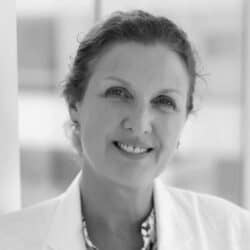
Lisa Carey, M.D.
UNC Lineberger Comprehensive Cancer Center
Chapel Hill, NC
SAB member 2018 – 2026
Komen Scholar 2010-2018
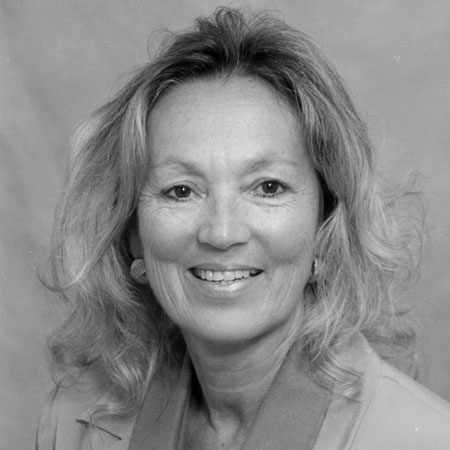
Sandy Finestone, Psy.D.
Komen Advocate in Science
Irvine, CA
SAB member 2018 – 2026
Karen Gelmon, M.D., FRCPC
British Columbia Cancer Agency
Vancouver, Canada
Komen Scholar 2010-2012
SAB Member 2012-2018

Cheryl Jernigan, C.P.A., F.A.C.H.E.
Komen Advocate in Science
Kansas City, MO
Komen Scholar 2010-2012 and 2019-
SAB Member 2012-2018

H. Kim Lyerly, M.D.
Duke Comprehensive Cancer Center
Durham, NC
Scientific Advisory Board 2007-2010
Komen Scholar 2010-2013

George W Sledge, M.D.
Stanford University
Stanford, CA
SAB member 2007-2012
Chief Scientific Advisor 2012-2022

Saraswati Sukumar, Ph.D.
Johns Hopkins University School of Medicine
Baltimore, MD
SAB member 2007-2010
Komen Scholar 2010-2013

Christina Tannous, Ph.D.
Komen Advocate in Science
Fountain Valley, CA
Scientific Advisory Board 2008-2012
Komen Scholar 2012-2013

Eric P. Winer, M.D.
Yale Cancer Center
New Haven, CT
Chief Scientific Advisor 2007-2018
SAB Past Chair Member 2018-2019
Updated April 1, 2026
