
Highest Awards Presented to Four Researchers, Patient Advocate for Improving Care in Clinics and Communities
SAN ANTONIO – Susan G. Komen®, the world’s leading breast cancer organization, today recognized five trailblazers in the field of breast cancer, who have furthered our understanding of genetic mutations, treatment response and cancer progression, improved cancer prevention and care in underserved communities and amplified the patient voice in clinical trials. The distinguished individuals are recipients of the Brinker Awards, Rising Star Researcher Award and Research Advocate Champion Award — the highest honors Komen can extend to someone who has devoted their career to advancing breast cancer research.
“The groundbreaking contributions of this year’s awardees have transformed the landscape of breast cancer care by advancing precision medicine and enabling individualized approaches across the entire continuum, from risk assessment and prevention to treatment and survivorship,” said Jennifer A. Pietenpol, Ph.D., Komen’s Co-Chief Scientific Advisor and Chief Scientific and Strategy Officer at Vanderbilt University Medical Center. “Their unwavering commitment to unraveling the biological complexities of breast cancer and translating scientific discoveries to improvements in care and outcomes for breast cancer patients truly distinguished them as leaders in the field.”
Komen established the Brinker Awards in 1992 to honor leaders in basic and clinical breast cancer research. The awards were expanded in recent years to also recognize a distinguished leader in population science, a rising leader in breast cancer research and a champion of research advocacy.
The 2025 awardees are:
Brinker Award for Scientific Distinction in Basic Science – Fergus J. Couch, Ph.D.
This award recognizes a researcher for contributing scientific discoveries or novel technologies that have substantively impacted our understanding of the basic biology and intrinsic molecular processes driving breast cancer to improve care.

Couch is a formidable leader in the field of cancer genetics and hereditary breast cancer who has identified many inherited gene alterations that contribute to breast cancer risk and led large international studies to clarify the clinical relevance of thousands of mutations in BRCA and other cancer susceptibility genes.
Because of his discoveries, we now have more accurate breast cancer risk assessment tools and genetic tests used to create personalized screening and risk reduction strategies and tailor breast cancer treatment for patients around the world.
Brinker Award for Scientific Distinction in Clinical Research – W. Fraser Symmans, M.B., Ch.B.
This award is presented to a researcher who has advanced new approaches for prevention, detection, diagnosis and treatment that have paved the way for new clinical and therapeutic applications and/or practice changing, patient-focused care for breast cancer.
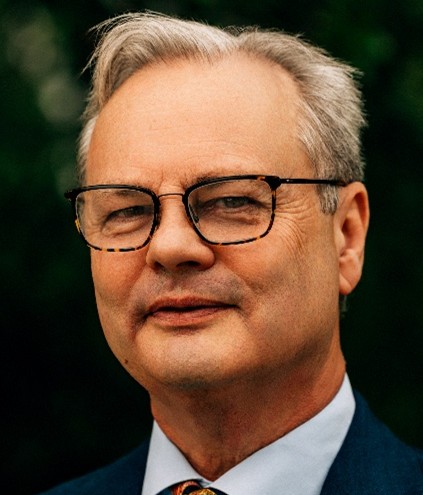
Symmans invented innovative tests that measure residual breast cancer burden after completing treatment and determine a breast cancer’s responsiveness to hormone therapy, providing clinicians with indispensable tools to predict outcomes and tailor treatments for breast cancer patients. His seminal work to understand the pathological and genomic responses to cancer therapy has improved clinical trial design and cancer staging and driven more informed, timely, personalized decisions for breast cancer patients worldwide.
Brinker Award for Scientific Distinction in Population Science – Electra D. Paskett, Ph.D., FACE, FAACR, FASCO
In its second year, this award is presented to a researcher who has made pivotal advancements in implementing science, cancer care delivery, health services research, epidemiology and/or developed innovative evidence-based interventions to enhance breast cancer outcomes.
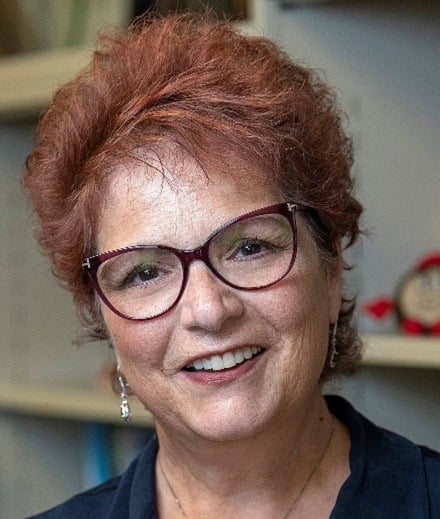
Paskett has transformed cancer prevention and care among historically excluded and under-resourced communities through her leadership of influential community-based initiatives that set evidence-based best practices for cancer risk reduction, screening and survivorship, resulting in higher screening rates and lower breast cancer mortality in these communities. A pioneer of patient navigation, Paskett provided rigorous evidence that guided care measurably improves cancer outcomes and has helped embed navigators into routine care by developing patient navigation centers and influencing health policy. She has dedicated her career to ensuring that people from every background receive care, symptom relief, and support to live well during and after cancer, making a profound impact on underserved patients and their families.
Rising Star Researcher Award – Nicholas E. Navin, Ph.D.
The Rising Star Research Award, now in its third year, recognizes an investigator whose work has the potential to significantly impact the breast cancer field, who demonstrates strong leadership potential in the breast cancer community and who exhibits a strong commitment to trainee mentorship.

Navin invented the first single-cell DNA sequencing technique, allowing scientists to study tumors at an unprecedented level of detail – cell by cell. This technology has been instrumental in advancing our understanding of how early breast cancer develops, the full diversity of cells within a tumor, how tumors differ across subtypes and how tumors develop resistance to chemotherapies. Single-cell genomics has been especially helpful in our understanding of how triple negative breast cancers can arise and progress and revealed new insights about cancer biology that are paving the way for better diagnosis and treatment of breast cancer.
Research Advocacy Champion Award – Jane Perlmutter, Ph.D., MBA, FASCO
Also in its third year, the Research Advocacy Champion Award recognizes an individual who has made significant contributions to ensure the unique and valuable perspectives of breast cancer patients, survivors and co-survivors are integrated into the scientific dialogue to drive progress and improve patient outcomes.
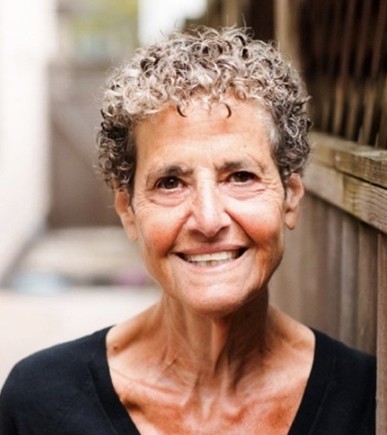
Perlmutter helped establish the critical role of patient advocates as partners in all aspects of medical research and policy, from reviewing proposed research, implementing research and disseminating results. She draws from her experience as a long-term survivor of multiple cancers, and as an active advocate, to bring the patient voice to research, leading to patient-centric change and research impact. She has driven innovation in clinical trials, including the landmark precision medicine trials I-SPY2 and TAPUR, and developed programs to educate and mentor future advocates and researchers.
“These five exceptional leaders have not only pushed the boundaries of science but also championed equity and patient advocacy. They are transforming breast cancer care and reshaping how we engage communities to ensure that innovation reaches every person affected by breast cancer,” said Komen’s Co-Chief Scientific Advisor, Ann H. Partridge, MD, MPH, and Vice Chair of Medical Oncology at Dana-Farber Cancer Institute. “We are grateful for their dedication to breast cancer and honored to recognize them for all they have accomplished and will continue to do as we work to end suffering and save lives from breast cancer.”