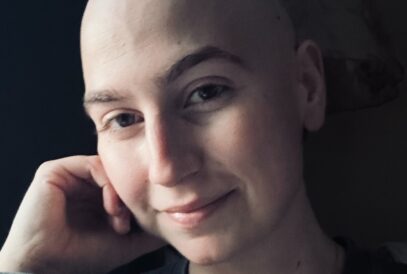
Caroline’s Story: Breast Cancer at 30
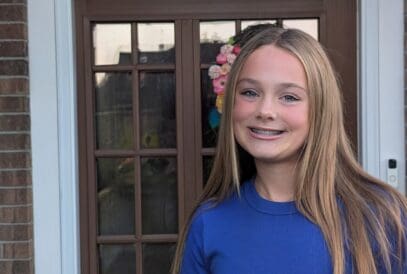
At just 30, Caroline learned she had stage 3 breast cancer. “I’m in the thick of treatment,” she said. “I’m undergoing chemo and grappling with the loss of who I was before this happened.”
*This blog was by Kristina B. and published by Shannon W. Research shows there are many risk factors for breast cancer. These risk factors can be related to biology, lifestyle, genetics and more. While being born female and getting older both increase your risk for breast cancer, other factors may reduce your risk. Adding exercise […]
At Susan G. Komen, our mission to end breast cancer is at the heart of everything we do. We’re excited to invite you to join us at upcoming events designed to bring you closer to the work we’re doing every day to make a difference, so you can see your impact firsthand. Whether it’s groundbreaking […]
What is ctDNA, or circulating tumor DNA, and what does it mean for your breast cancer? You may have heard of ctDNA recently in the headlines or the doctor’s office. Research has been moving at a rapid pace to better understand ctDNA, a promising new tool that is giving doctors another way to monitor cancer […]
Shanise learned in October 2020 that she carries two inherited gene mutations, including BRCA2. Three years later, she was diagnosed with triple negative breast cancer. “Hearing those words shattered me,” Shanise said.
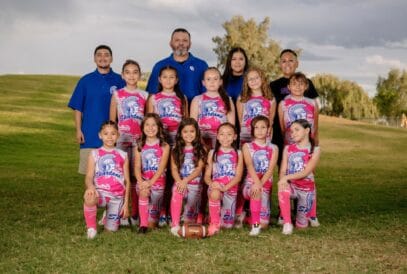
Steel United Soccer Club in Pennsylvania turned a simple Crossbar Challenge into a powerful youth soccer breast cancer fundraiser. Through Go Pink for the Cure, Komen’s fundraising program for sports teams, players and families came together to raise nearly $5,000, proving soccer can make an impact far beyond the field.
What started as a love for dance fitness has grown into a powerful way to give back. At a Jazzercise studio in Conifer, Colo., instructors and students come together each October for a Jazzercise breast cancer fundraiser rooted in personal stories, community support and a shared commitment to ending breast cancer.
When patient advocates attend major conferences like the San Antonio Breast Cancer Symposium (SABCS), they help shape breast cancer clinical trials by sharing what patients really experience and need when it comes to research. They also help to translate complex science into clear, understandable information that helps patients make informed choices. That’s why patient advocate involvement is so important for improving clinical trials for patients. In this installment of Spotlight on Clinical Trials, we explore just a few of the many ways that advocates help shape clinical trials and make a […]
Sonja Rideout’s diagnosis of HER2-positive breast cancer – and later the news it had progressed to metastatic breast cancer – changed her life in ways she never imagined. Through uncertainty and evolving treatment plans, she found strength in the Race for the Cure community and has raised nearly $60,000 to help support others facing breast cancer.
In 2023, Jake felt a lump in his armpit. He was initially diagnosed with stage 2 breast cancer, which was later determined to be stage 3 as more testing was done. In 2024, he learned the cancer had spread (metastasized). Today, Jake is living with metastatic breast cancer (MBC), for which there is currently no cure.
Breakthroughs in breast cancer don’t always mean the development of new drugs – they’re also made by optimizing currently available treatments. Researchers are re-examining some breast cancer treatments through dose optimization. Maximum tolerated dose (MTD) has been the status quo in breast cancer treatment. Clinical trials determine the MTD by finding the highest drug or treatment amount (dose) with acceptable or tolerable side effects for participants. However, some individuals receiving treatments at MTD still experience significant […]
Three years after completing treatment for stage 1 breast cancer, Lea learned she had metastatic breast cancer. “My first thought was whether I was going to die,” she said. “Then I started asking questions. It’s important for me to be here for my family.”