
Breast Cancer Survivorship Topics
If you’ve heard the words, “You have breast cancer,” you’re not alone. There are more than 4 million women and more than 20,000 men who are breast cancer survivors or are living with breast cancer in the U.S. This is more than any other group of cancer survivors.
Most people diagnosed with breast cancer will live for many years.
At Susan G. Komen®, we view anyone who has been diagnosed with breast cancer as a survivor, from the time of diagnosis and continuing throughout life. The National Cancer Institute Office of Cancer Survivorship and the American Cancer Society use similar definitions.
However, Komen recognizes that not everyone relates to or identifies with this term or sees themselves as a survivor. We respect and honor the language you choose to describe your own experience.
You may face unique issues and concerns during and after breast cancer treatment. This section covers survivorship topics including emotional health, physical health and quality of life. You may be interested in learning more about complementary therapies or ways to cope with stress and fear of recurrence.
Learning more about breast cancer survivorship may improve your quality of life during and after breast cancer.

Use these links to jump to the topics below.
Medical Care and Health Concerns
Watch our video of Komen grantee Dr. Tarah Ballinger who talks about some physical and emotional aspects of life after breast cancer treatment.
Follow-up medical care
After you finish treatment for breast cancer, you’ll see your oncologist and other members of your health care team on a regular basis.
Follow-up care after breast cancer treatment with your oncology team may include:
- Physical exams
- Screening mammograms
- Bone health tests
During follow-up visits, your doctor will ask you about any symptoms, concerns or questions you may have. If something comes up in between appointments, reach out to your doctor.
Late effects of breast cancer treatment
Although many side effects go away after you complete treatment for breast cancer, you may have some long-term effects. New side effects may occur months or even years later. These long-term and new side effects are called late effects.
Possible late effects of breast cancer treatment include (in alphabetical order):
- Bone health problems
- Changes after a mastectomy
- Changes in the look and feel of the breast after a lumpectomy
- Changes in the look and feel of the breast after radiation therapy
- Changes in the look and feel of the breast after reconstruction
- Cognitive function (problems with memory and concentration)
- Early menopause
- Emotional distress and depression
- Fatigue or insomnia (trouble sleeping)
- Fear of breast cancer recurrence
- Heart problems
- Infertility
- Joint and muscle pain
- Leukemia
- Lung problems
- Lymphedema
- Menopausal symptoms (such as hot flashes and vaginal symptoms)
- Numbness (neuropathy)
- Pain
- Sexuality and intimacy issues
- Weight gain
Breast cancer recurrence
The goal of treating early breast cancer is to remove the cancer and keep it from coming back. A return of breast cancer is called a breast cancer recurrence. Everyone who’s had breast cancer is at risk of a recurrence. However, most people diagnosed with breast cancer will never have a recurrence.
- Breast cancer that recurs at the original site is called a local recurrence.
- Breast cancer that returns and spreads to other parts of the body is called a distant recurrence (metastasis). This is metastatic breast cancer and may also be called stage 4 or advanced breast cancer.
A local recurrence is usually found on a screening mammogram, during a physical exam by a doctor, or when you notice a change in or around the breast or underarm.
Metastasis is most often found when people report new and persistent symptoms. These may include:
- Fatigue
- Shortness of breath
- Weight loss
- Bone pain
- Seizures
- Yellowing of the skin or whites of the eyes (jaundice)
Signs or symptoms like fatigue, weight change or bone pain are common problems for many people. Most often, they don’t mean the breast cancer has spread. For example, bone pain may be a sign of arthritis or muscle strain. And many people have fatigue for a number of reasons.
Discuss any signs or symptoms you have (especially if they last more than 2 weeks) with your doctor to find out the cause.
Learn about follow-up care after breast cancer treatment.
Stress, fears and concerns
After treatment for early or locally advanced breast cancer ends, many people are afraid they still have cancer, or are afraid the cancer will come back. These fears are normal and very common.
There are many healthy ways to cope with the stress. Complementary therapies like mindfulness meditation may help.
For some people, talking to a mental health provider or joining a support group can be helpful. Your health care team may be able to help you find these resources. Learn more about support groups and other types of social support.
People who’ve had breast cancer are often concerned about their family members’ risk of breast cancer because they may be at increased risk. If you have concerns, talk with your doctor. Your doctor can help you understand your family’s risk and can refer you to a genetic counselor if needed.
Working during breast cancer treatment
Many people who work at the time of their breast cancer diagnosis continue to work during treatment or return to work soon after treatment ends. Your doctor can help you decide when (and if) you’re able to work (part-time or full-time).
Complementary therapies
Many people use complementary therapies, such as acupuncture and prayer, during or after breast cancer treatment. Complementary therapies may relieve some side effects and improve quality of life.
Learn more about complementary therapies for breast cancer survivors.

Stacy Scovanner: “I’m Going to Keep Doing Things I Never Thought I Would Do”
Stacy Scovanner was diagnosed with a rare form of breast cancer called low-grade fibromatosis spindle cell carcinoma in June 2020 at 42 years old.
“I have a fear of flying, but since being diagnosed, I’ve been flying everywhere by myself. Before being diagnosed, I would have never traveled by myself ever. But now I’m going to keep doing things I never thought I would do.”
Read NowHealthy Lifestyle and Breast Cancer Survival
Watch our video of Komen Scholar Dr. Jennifer Ligibel who talks about a living healthy lifestyle after breast cancer treatment.
Some healthy behaviors may be linked to a lower risk of breast cancer recurrence and improved survival. Others are part of a healthy lifestyle and may be linked to a lower risk of different cancers and other diseases.
A healthy lifestyle includes:
- Maintaining a healthy weight
- Eating a healthy diet
- Limiting alcohol intake
- Getting regular physical activity (exercise)
- Not smoking
Healthy body weight
After treatment for breast cancer, being overweight or obese is linked to an increased risk of breast cancer mortality (death from breast cancer) and overall mortality (death from any cause). Women who are overweight or obese after a breast cancer diagnosis have worse survival than those who are lean. Reaching and maintaining a healthy weight is one of the best things you can do for your health.
Healthy diet
We don’t fully understand how diet is related to survival after breast cancer. No specific type of diet or nutrient has been linked to breast cancer survival. However, people who’ve had breast cancer can benefit from the same healthy diet recommended for everyone.
Limiting alcohol
Some findings suggest drinking alcohol after a breast cancer diagnosis may be linked to an increased risk of breast cancer mortality. Other studies show drinking alcohol in moderation may be linked to a decreased risk of heart disease, high blood pressure and overall mortality. Talk with your doctor to help you make informed choices about drinking alcohol.
Physical activity (exercise)
Many studies suggest being active is linked to a decreased risk of breast cancer mortality and overall mortality. Being physically active is part of a healthy lifestyle after treatment for breast cancer. It helps you maintain a healthy weight and is linked to a decreased risk of heart disease, stroke and diabetes.
Not smoking
Growing evidence suggests smoking is linked to an increased risk of breast cancer recurrence and breast cancer mortality. Stopping smoking, or never starting to smoke, is one of the best things you can do for your health. It’s related to an increased risk of many cancers and other health conditions.
Learn more about a healthy lifestyle for people who’ve had breast cancer.
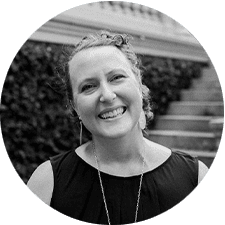
“Nothing Can Stop Me From Living This Life”
Amy Capello was diagnosed with inflammatory breast cancer in April 2020.
“I am not a survivor, I am a thriver. I am living like I’m dying, even though I’m claiming a life long-lived. I didn’t go through this entire process to watch life go by with me on the sidelines or die with a list of I-wish-I-hads.”
Read NowSusan G. Komen® Breast Cancer Survivorship Support Resources |
|
Do you need help through a breast cancer diagnosis and survivorship? We’re here for you. The Komen Patient Care Center is your trusted, go-to source for timely, accurate breast health and breast cancer information, services and resources. Our navigators offer free, personalized support for you and your loved ones including education, emotional support, financial assistance, help accessing care and more. Get connected to a Komen navigator by contacting the Breast Care Helpline at 1-877 GO KOMEN (1-877-465-6636) or email helpline@komen.org to get started. All calls are answered Monday through Thursday, 9 a.m. to 7 p.m. ET and Friday, 9 a.m. to 6 p.m. ET. Se habla español. Komen Facebook groups provide a place where those with a connection to breast cancer can share their experiences and build strong relationships with each other. You can request to join the Komen Breast Cancer Group or Komen Metastatic Breast Cancer (Stage IV) Group. Our Real Pink podcast series features candid conversations with breast cancer patients, survivors, researchers, physicians and more. Our fact sheets, booklets and other educational resources offer additional information about breast cancer survivorship topics. You can be a part of Komen’s mission through research, advocacy, education and local events in your community. Getting involved can be personally rewarding and can help others. Whether you enroll in ShareForCures® (see below), serve as an advocate, engage with our information or attend an event, everything you do makes a difference. |


