
Susan G. Komen® recently honored five exceptional individuals for their pivotal roles in advancing breast cancer research, treatment and advocacy. The Brinker Awards, Rising Star Researcher Award and the Research Advocacy Champion Award are some of Komen’s highest distinctions, celebrating trailblazers who are driving lifesaving progress and elevating patient care.
Established in 1992, Susan G. Komen’s Brinker Awards for Scientific Distinction recognize pioneering work in breast cancer research and treatment. These awards honor leading scientists for their significant achievements and contributions in basic and translational science and clinical practice that have advanced the fight to save lives, and realize our vision of a world without breast cancer.
The Susan G. Komen Rising Star Researcher Award recognizes innovative work, budding leadership and dedicated mentorship in breast cancer research and treatment. This award focuses on investigators whose work has the potential to significantly impact the breast cancer field, who demonstrate strong leadership potential in the breast cancer community and who exhibit a strong commitment to trainee mentorship.
The Susan G. Komen Research Advocacy Champion Award was established to recognize an individual for their outstanding achievements in breast cancer research advocacy. This award honors an emerging or established advocate leader who is making significant contributions to ensure the unique and valuable perspectives of breast cancer patients, survivors, and co-survivors are integrated into the scientific dialogue to drive progress, improve patient outcomes, and help realize our vision of a world without breast cancer.
Together, this year’s honorees have achieved breakthroughs in their respective fields, from redefining breast cancer risk and treatment to championing research advocacy and equity in care.
Fergus J. Couch, Ph.D.
Brinker Award for Scientific Distinction in Basic Science

Fergus J. Couch has played a central role in understanding genetic mutations linked to breast cancer. His research showed that certain gene alterations present at birth can increase a person’s risk of breast cancer and brought clarity to previously misunderstood BRCA1 and BRCA2 gene mutations. He also demonstrated that expanding genetic testing to women up to age 65 improves the detection of those at higher risk. In addition, by characterizing risk genes across populations, he helped enable earlier and more personalized screening strategies.
Because of his contributions, patients now benefit from more accurate risk-assessment tools that guide screening, prevention strategies and clinical decision-making for patients worldwide.
W. Fraser Symmans, M.B., Ch.B.
Brinker Award for Scientific Distinction in Clinical Research
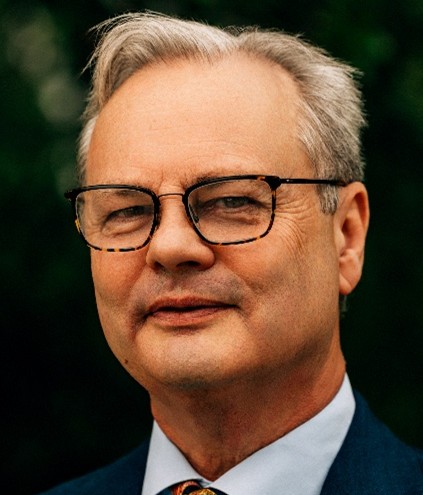
W. Fraser Symmans pioneered diagnostic tests that predict which breast cancer patients will benefit most from chemotherapy and hormone therapy using tissue samples collected during cancer diagnosis. His innovative methods for measuring response to neoadjuvant treatment are now embedded in clinical trials, translational research and patient care, enabling earlier detection of treatment benefit and more informed decision-making for breast cancer patients.
He developed the Residual Cancer Burden (RCB) index, which helps assess how effectively chemotherapy worked and helps determine a person’s future risk of recurrence. He also created a gene expression test that evaluates a tumor’s responsiveness to hormone therapy and specific chemotherapies, helping identify patients who should receive hormone therapy instead of chemotherapy. His pathology expertise and insight helped to advance how treatment response is defined and established new cancer staging guidelines.
Electra D. Paskett, Ph.D., FACE, FAACR, FASCO
Brinker Award for Scientific Distinction in Population Science
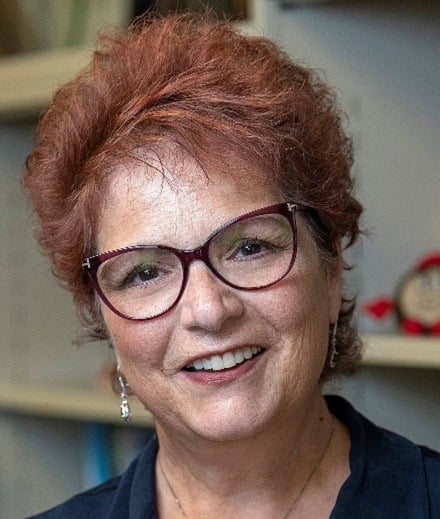
Electra D. Paskett has transformed cancer prevention and care for underserved communities. She has championed community-based programs that have become best practices for prevention, screening and survivorship. Her work has significantly increased screening rates and reduced mortality in communities who are historically underresourced.
A pioneer in patient navigation, she developed navigation centers and helped shape health policy to embed trained navigators into routine care. Her work shed light on the economic and social barriers that prevent many people, especially those in rural areas with limited health resources, from receiving the cancer care they need. Paskett has also improved survivorship by developing interventions that help prevent treatment-related side effects like lymphedema and cardiotoxicity.
Nicholas E. Navin, Ph.D.
Rising Star Researcher Award
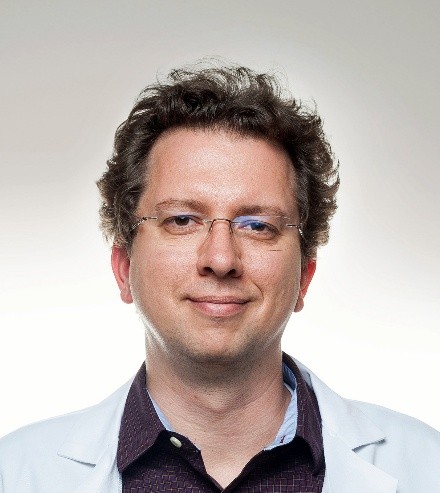
Nicholas E. Navin invented the first single-cell DNA sequencing method, enabling scientists to study tumors one cell at a time. This breakthrough technology has reshaped our understanding of early breast cancer development, the full diversity of cells within a tumor, how tumors differ across subtypes and how tumors resist chemotherapies.
His work has redefined our understanding of how breast cancers, especially triple-negative cases, form and spread, opening new avenues for prevention. Navin’s work has also revealed key differences between healthy and cancerous breast cells, offering insights into understanding, detecting and treating breast cancer.
Jane Perlmutter, Ph.D., MBA, FASCO
Research Advocacy Champion Award
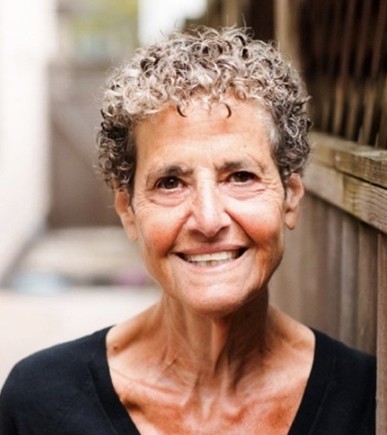
Jane Perlmutter’s dedication to breast cancer research advocacy is rooted in her experience as a long-term survivor of multiple cancers. For more than 40 years, she has served as a bridge between scientific research and patients, helping establish patient advocates as essential partners in every stage of medical research and policy. Her leadership has been instrumental in shaping more innovative, patient-focused clinical trials and ensuring that patient perspectives guide research priorities and protocol design. She has also helped build training programs that prepare new advocates across all cancer types.
Recognizing Innovation, Driving Progress
These five honorees exemplify Komen’s mission to save lives and find cures for breast cancer, faster. Their achievements highlight the importance of innovative research, personalized care and advocacy in transforming outcomes for people affected by this disease.