As a nurse practitioner, Shelly Terwilliger has spent years supporting patients through health challenges. But at 50, she found herself on the other side of the conversation when a routine mammogram led to a breast cancer diagnosis. This is her story in her own words.
With no family history of breast cancer, I never thought a diagnosis was on the horizon for me. That all changed the year I turned 50. After my annual mammogram, I received a call to come back in for another look.
This wasn’t the first time I had undergone additional imaging. Eight years earlier, the radiologist noticed spots of concern on my mammogram, but a breast ultrasound and biopsy confirmed the spots were not cancerous.
Since this new development was in the same breast as before, I assumed it would be another benign condition. It was after the biopsy that I began to sense something might be different this time.
Processing the News and Next Steps
A week later, I received the news – I had invasive ductal carcinoma and ductal carcinoma in situ in my left breast. As soon as the doctor said the words, I was lost. It was like I had left my body. I thought, “This can’t be happening. I’m the one who delivers this news to people.”
Once further testing was complete, we established a treatment plan. First, a lumpectomy. Then – because genetic testing revealed a high risk of recurrence – four rounds of chemotherapy followed by radiation.
Navigating Side Effects of Breast Cancer Treatment
Chemo was not a pleasant experience.
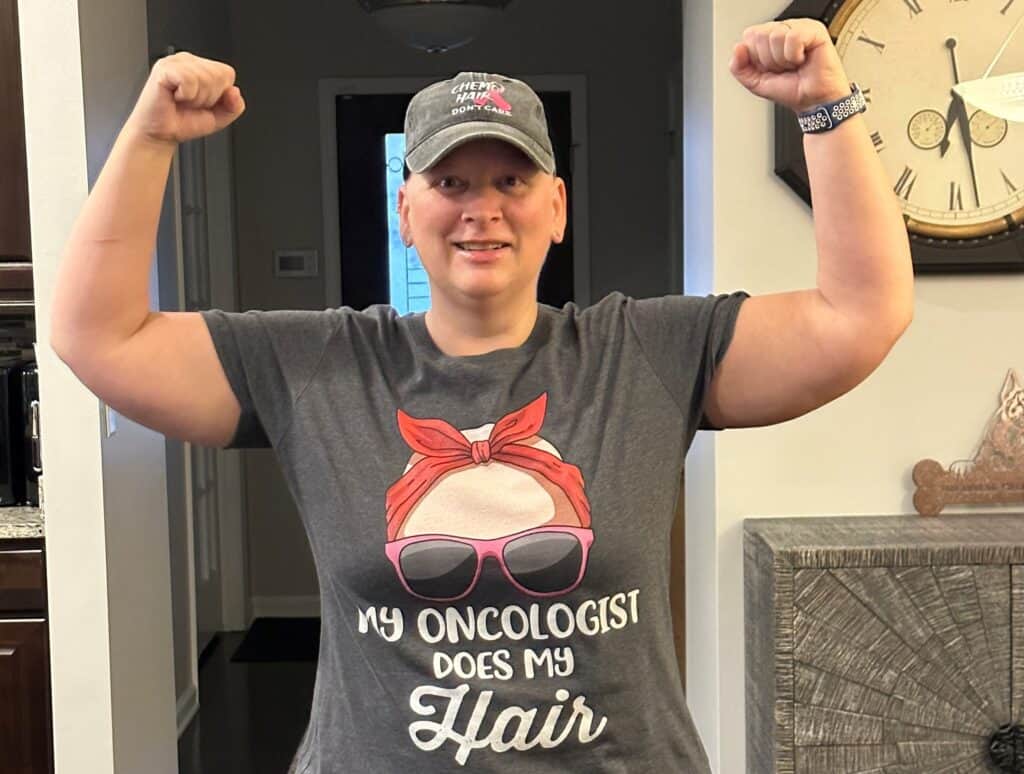
Each round, I would prepare myself based on the side effects from the previous round, and then life would throw in a completely different set of side effects: constipation, folliculitis, mouth sores and lymphedema.
The common side effects – joint pain, nausea, fatigue – felt easy in comparison.
Getting Through Treatment With My Support System
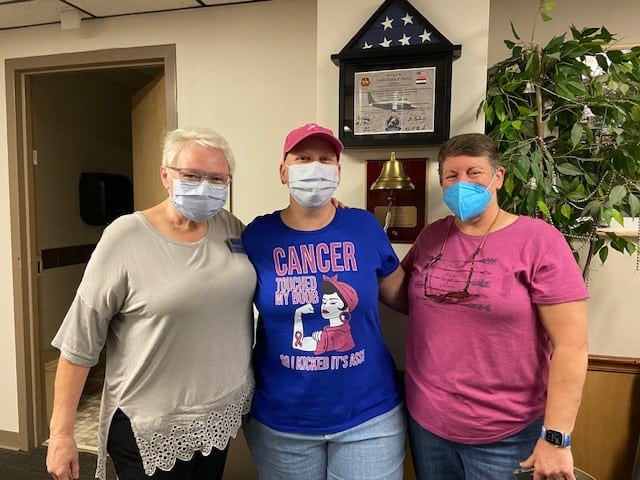
I was lucky to have a strong support system of people who helped me throughout my treatment, including my wife, housemate, friends, family and colleagues.
My office mate, who previously worked in oncology before joining me on the inpatient surgery service in 2015, was incredible.
She prepped me for everything that was coming and made sure to check on me during every infusion. I couldn’t have asked for a better support system.
Finding Purpose in the Race for the Cure
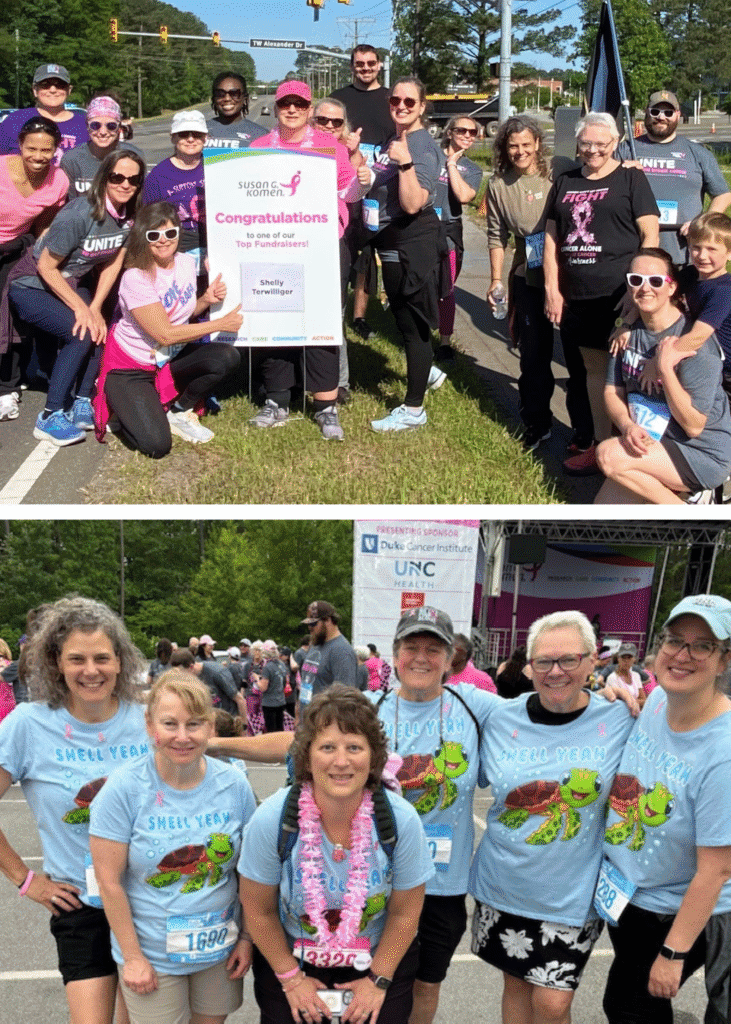
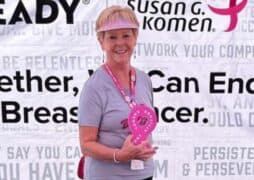
While I was still recovering, I received an email about the Komen Race for the Cure. I texted friends and colleagues to see if anyone would want to join me. I created a team and recruited about 15 colleagues to join me.
Team “SHELL YEAH!” was formed by using our group text message for treatment updates to reach out to recruit to join the team or donate in support of us. My wife did a great deal of reaching out on the group chat.
I used the Komen app to send text messages and post on Facebook to encourage friends and family to donate or join the team if they were local.
The Race took place the day after I completed radiation. Friends even drove in from out of state to be there with me, which was such a humbling experience. Although I was exhausted, I was determined to finish the one-mile route. It was a proud moment to walk alongside the people who showed up in support of me.
A New Chapter After Breast Cancer
Since my treatment ended, I’ve refocused my energy on myself. Where I am now versus where I was two years ago is tremendous.
I have developed a better eating and exercise plan, which has led to a 60-pound weight loss. I have worked with physical therapists, a sleep therapist and an acupuncturist to deal with pain, edema and sleep disturbances. I am focusing on a better work-life balance, trying to live in the moment and have an overall better outlook on life.
Statements and opinions expressed are that of the individual and do not express the views or opinions of Susan G. Komen. This information is being provided for educational purposes only and is not to be construed as medical advice. Persons with breast cancer should consult their health care provider with specific questions or concerns about their treatment.