
There’s power in asking for help from others. For the nearly 320,000 people in the U.S. who will hear the words “you have breast cancer” this year, the emotional challenges can be just as tough and complicated as the physical ones. After the initial shock of a diagnosis starts to fade, many people find themselves riding a tidal wave of emotions as they struggle to come to terms with a new reality; one where asking for help from others becomes more important than ever.
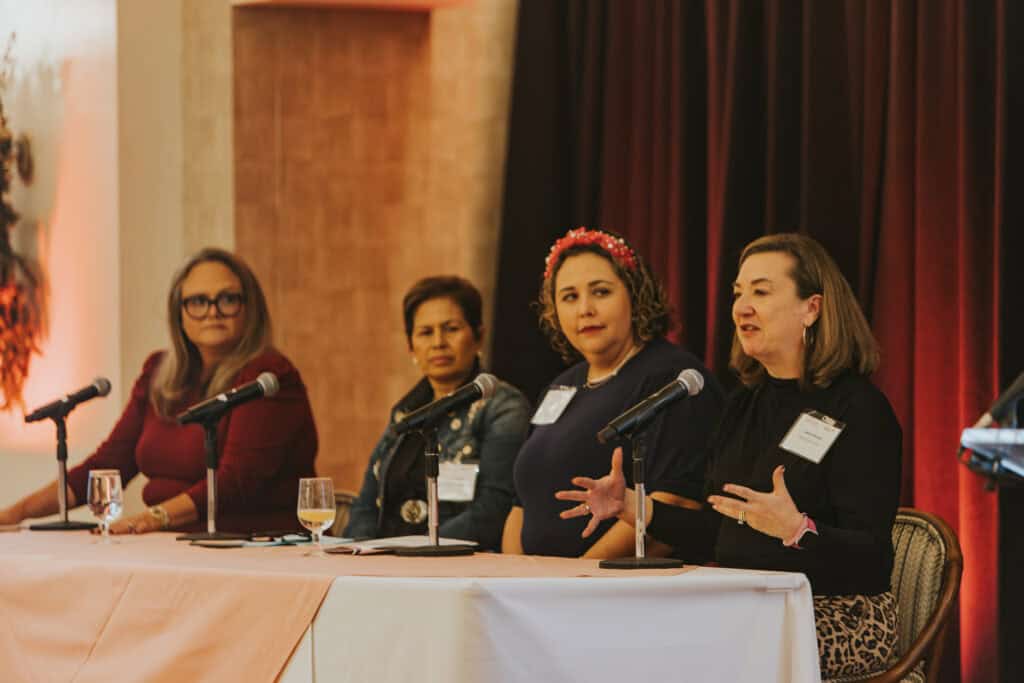
This topic was a focus of the Keynote Panel discussion at the Susan G. Komen EmpowerED: Education After Diagnosis event, which took place on Dec. 8, 2025, in San Antonio. During this event, held at the San Antonio Country Club, attendees enjoyed a sit-down dinner and then chose between two breakout sessions, where they could talk with trusted medical experts and share their own experiences with others.
One breakout session called “Using Your Voice to Improve Care: Empowering Hispanic Women with Breast Cancer” was led by Marcela Mazo Canola, M.D., of UT Health San Antonio MD Anderson Mays Cancer Center. In this session, participants learned hands-on strategies for overcoming cultural barriers, speaking more effectively with their doctors and making sure their families share important health histories.
A second breakout session led by Emmalind Aponte, M.D., of Methodist Healthcare and Texas Oncology, took a forward-looking approach at “The Future of Metastatic Breast Cancer (MBC),” giving attendees an inside look at some the newest breakthroughs in research, treatment and patient support that are changing the landscape of MBC care.
Both sessions were full of valuable insights and practical strategies, but the Keynote Panel session ended the evening with a simple yet powerful message for attendees: Don’t face breast cancer alone – allow others to support you.
The Power of Asking for Help from Others
The final panel, “Navigating the Emotional Journey: Mental Health Across the Breast Cancer Experience,” featured speakers Kelly Bodu, LMFT, Brenda Nelson and Laurel Pointer, all of whom have gone through their own diagnosis. They shared heartfelt wisdom and real-world tips on how to ask for help from others when you need it most. Below are a few of the key takeaways the panelists provided for those facing these challenges.
Takeaway #1: Lean On Friends and Family for Everyday Help
Friends and family want to be there for you, so give yourself permission to request their help. Delegate things like meals, errands and household chores. Everyone has unique strengths and talents, so lean into what each person does best.
Guest panelist Laurel Pointer, director of community marketing at Komen, shared that friends can help with tasks that are often taken for granted. After having a bilateral mastectomy with reconstruction, Laurel found it difficult to complete tasks that involved lifting her arms, including washing and styling her hair. “My best friend and I have the same stylist, so we FaceTimed her while Courtney was drying my hair, so she could be sure she was styling it correctly,” Laurel shared.
Whether someone shows up with dinner, helps clean your house or simply listens when you need to talk, allowing others to help with everyday tasks not only lightens your load, but also deepens your sense of connection with others and reduces feelings of isolation.
Takeaway #2: Clearly Communicate Your Needs to Others
Instead of saying, “I’ll let you know if I need anything,” try making specific, direct requests, like, “Can you drive me to treatment on Friday?” or “Could you help with laundry this week?” Most people genuinely want to help but aren’t sure how.
When guest panelist Kelly Bodu was first diagnosed with stage 3 breast cancer while 28 weeks pregnant, she admits that she initially struggled with asking others for help, and didn’t expect her treatment to last longer than one year. Now that she has been in treatment for more than two years, Kelly says that she does not hesitate to clearly express her needs to others.
Clear communication removes the guesswork and helps loved ones feel confident they’re showing up for you in meaningful ways. And for others who are unsure of how to help, the message from the panelists was unanimous: “Don’t ask, ‘What can I do?’ Just DO.”
Takeaway #3: Plan Ahead So Others Can Help You Financially
“If I could go back and do anything differently, I would have started a GoFundMe at the very beginning,” said panelist Brenda Nelson, who is living with MBC (stage 4 breast cancer). Brenda was diagnosed with MBC three years ago, and today, she continues to receive treatment every 21 days. But medical bills are not the only source of financial strain during breast cancer treatment. Assistance with cooking, cleaning and childcare are not always freely provided, especially for those who face long-term treatment.
As the panelists explained, people can easily set up a donation fund for their loved ones at the start of their treatment, and when done early enough, it can make a world of difference. These accounts also ensure people facing breast cancer continue to feel supported by others who can’t be there in the long term. “Eventually, people move on with their own lives, their children,” Brenda explained. “Life goes on.”
No One Has to Face Breast Cancer Alone
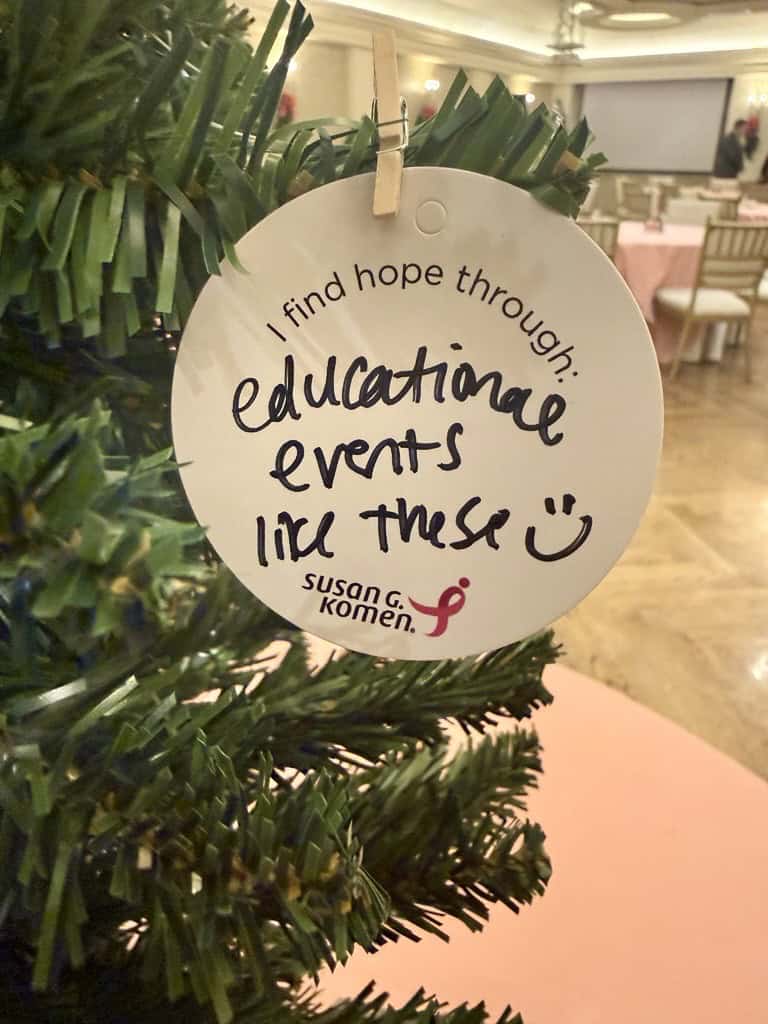
Are you or someone you care about facing the challenges of breast cancer? Find support and connection with Komen by participating in a local event or one of our educational programs. Click here for more information about our upcoming events.
You can also reach out to the Komen Patient Care Center (PCC) for emotional support from our culturally responsive patient navigators. PCC navigators offer personalized navigation services to patients, caregivers and family members, as well as access to timely, accurate breast health and breast cancer information.
Call 1-877 GO KOMEN (1-877-465-6636) or email helpline@komen.org to get started. The Helpline is available Monday through Thursday, 9 a.m. – 7 p.m. (ET) and Friday, 9 a.m. – 6 p.m. (ET). Se habla español.