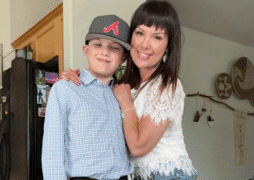
How do you continue to parent through some of the worst news of your life? How do you explain to your children what it means to live with MBC?
Receiving an MBC diagnosis forces you and your family into a new reality. The diagnosis alone can be overwhelming, but knowing it will also impact those you love most can feel impossible. So, how do you navigate it?

The way you deliver the news, explain your treatment and live with MBC is different for everyone. It’s important to provide honest, age-appropriate information, to continue to check in with your children and to keep your dialogue open. Keep in mind that each child may respond differently.
Initial Diagnosis: Sharing the News
Parents often want to protect their children from things that could worry them. Children can also sense when things are different and there’s stress in the home. The first step is to think about when to share the news with them. You may consider sharing it with them when the diagnosis has been confirmed or you may think it’s best to wait until you have more information about your treatment plan.
How you share the news can vary depending upon the child’s age. For example, younger children will likely need to be re-assured that they cannot ‘catch’ cancer and that they didn’t do anything to cause it. Use simple terms and/or pictures when providing explanations. No matter their age, give your children reassurance that you have a team of doctors helping you and that you’ll be getting treatment. You can consider using terms that they’re likely to hear in the home or from others, such as cancer, surgery or chemotherapy, which you’ll want to describe in an age-appropriate way. Provide opportunities for them to ask questions and be sure to keep the dialogue open, as some children will need to process the news before discussing it further.
If you feel comfortable, you may also want to share your diagnosis with your child’s teachers, school counselors and other trusted adults in their lives. Your child may choose to discuss their feelings and thoughts with those individuals instead of you. By creating a community of support for your children, you provide a way for them to process the news in a safe environment. For more information, check out this Komen resource on talking with your children about breast cancer.
Sharing the news with your children can often make the diagnosis more real. This can lead you to face a terrifying new reality. While you help your kids process the news, it’s important that you have healthy opportunities to process it as well. Taking care of your family means taking care of yourself, too. Don’t isolate. Find a community.
Explaining Your Treatment
Your treatment plan will vary depending on several factors, including the biology of the tumor and where it has spread, as well as your treatment goals and what you and your doctor decide is best. It’s important you speak with your doctor about what to expect with each treatment, including side effects, appointment length and frequency, potential future changes in treatment and disease progression. You can use this resource with your doctor as a guide in the discussion. Having this information at your fingertips can help you better discuss it with your children.
For younger children, what you share may not extend much beyond potential treatment side effects, like hair loss, weight loss and needing more sleep or rest. Older children, including adult children, may be more interested in a deeper understanding of the treatment itself, your prognosis and future treatment options.
For children who still live at home, including them in changes of routine can help them know what to expect. You may need to enlist the help of family and friends to keep some sense of normalcy in your child’s schedule. One thing to consider is what if the treatment side effects are too severe and you can’t make it to that after-school event? It’s best your child knows this could happen and that it’s not because you don’t want to be there. If a family member or friend will be attending the event or picking them up from it, you can let your child know ahead of time.
You may decide that every detail of your treatment doesn’t need to be shared up front but assure your child that they can always ask questions. Offer to provide further clarity if they need it.
The New Normal: Living Long Term with MBC
Unfortunately, there’s no cure for MBC today. You will likely always be on some type of treatment. It’s important that your children know how this will impact you. This is the new normal for your entire family. Keep it simple and honest with open dialogue, continuous opportunities for questions and room for them to express the emotions that come up along the way. They should know that some days can be tough, but other days can be beautiful.
While MBC will be ever-present in your family’s life, whether it be through coping with side effects, treatment changes, disease progression or navigating ongoing conversations about the disease, it doesn’t need to be the primary focus. There are reasons to have hope and to expect that you’ll find some stability after the impact of the initial diagnosis.
By seeking community and support, you and your family can adjust to this new normal and what it looks like for you. Doctor’s appointments, soccer practice, parent teacher conferences, holidays and medications become part of your new routine. You’re more than your MBC diagnosis. You’re a parent, partner, friend and loved one.
There are several programs you and your family may be able to access to help navigate MBC. These include:
- Camp Kesem: Provides free summer camps, day programs and virtual meetups for youth and adolescents whose parents are facing cancer.
- Me-One Foundation: Offers a free three-day retreat for the entire family.
- Little Pink Houses of Hope: Offers support for week-long vacation retreats.
- One Day to Remember: Offers one day experiences for families with a loved one facing advanced-stage cancer.
- Bright Spot Network: Offers connections, resources and support for parents who have cancer and their young children.
Additionally, the Adventure Jar is a free book designed by those living with MBC to support families going through treatment.
For support in talking with your children and helping them cope with your illness, please contact our Patient Care Center at 1-877 GO KOMEN (1-877-465-6636) or by email at helpline@komen.org. You can also read our “What’s Happening to Mom” booklet. And be sure to check out our MBC Impact Series for additional information.
Navigating an MBC diagnosis and treatment will be different for everyone. You know your children best, so do what you think is best for them and, most importantly, for you.
Inside MBC is a series highlighting the mental and emotional toll living with a stage 4 diagnosis has on individuals, their families and their friends. This series is intended to provide validation for those living with MBC and education for their loved ones. The content featured in this blog was curated from members of Komen’s MBC Steering Committee.

Susan G. Komen would like to thank Gilead for their generous support of the MBC Impact Series Program.