

Just after her 40th birthday, Katie received a life-changing diagnosis discovered after her first mammogram: stage 1 triple-negative multifocal invasive ductal carcinoma, along with areas of ductal carcinoma in situ. The news was a devastating shock. But from her very first appointment, Katie stepped into the role of her own advocate – asking tough questions, voicing concerns and making sure she was heard every step of the way.
Meeting the Care Team
Katie learned of her diagnosis during a phone call with a nurse who delivered the jarring words: “You have breast cancer.” Soon after, she was scheduled for a full day of back-to-back appointments to meet her care team, which included an oncologist, surgeon, radiology oncologist, social worker, nurse navigator and genetic counselor, all meant to help guide her through the next steps.
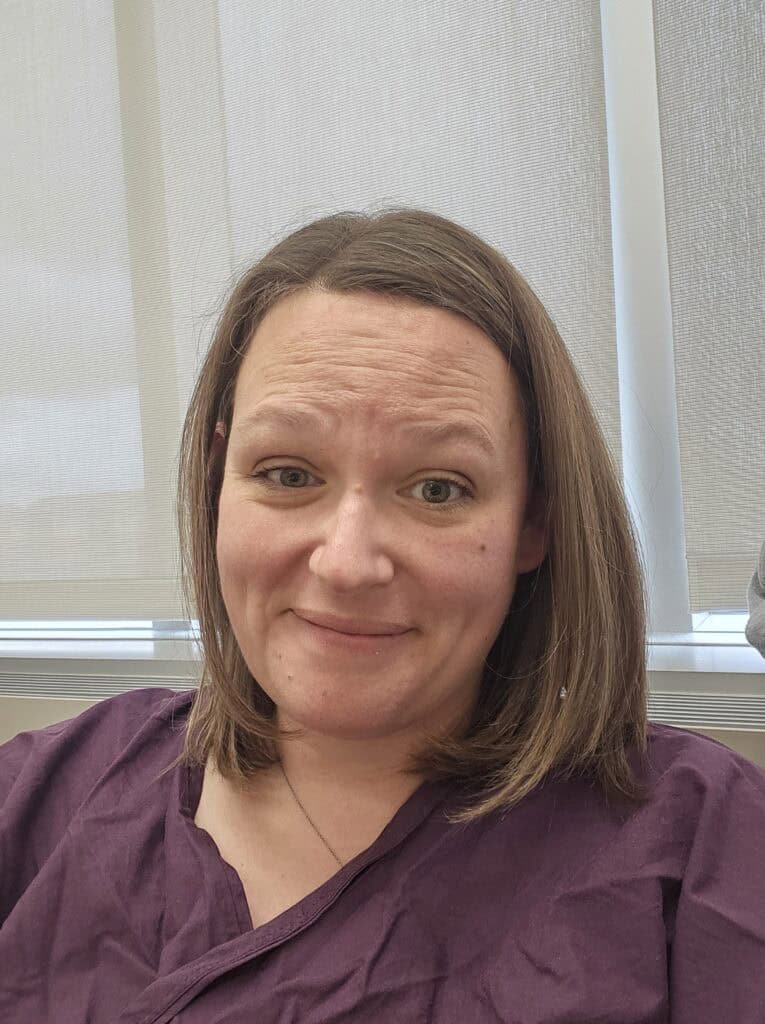
But things didn’t go as smoothly as she hoped. The first doctor she met was an oncologist who specialized in gastrointestinal cancer, not breast cancer, who told Katie they didn’t have a treatment plan yet.
“He said I was either stage 1 or stage 3, and they needed to do more tests to determine that,” Katie recalled. “He stumbled over the name of the chemotherapy they planned to give me and was vague about the treatment timeline.”
The rest of the team echoed the oncologist’s uncertainty: more tests were needed before a treatment plan could be made.
Advocating for Herself

In addition to meeting her care team, Katie had a breast MRI and was told she’d need four more biopsies later that week. But what weighed on her most wasn’t the testing;, it was the first impression of her oncologist.
“We were immediately on edge, even more than from the cancer diagnosis,” Katie recalled. “I tried to justify his conversation with us all day, but by 4 p.m. I was a mess and uncontrollably upset. I don’t say this lightly – that week was the worst week of my life.”
Feeling overwhelmed, Katie reached out to her nurse navigator, who reassured her it was common for patients to seek a second opinion or transfer care. She shared a list of other oncologists, and Katie soon found one who specialized in breast cancer and could still work with the rest of her existing care team.
With the right medical support in place, Katie underwent a lumpectomy and 19 rounds of radiation therapy. Today, she’s a busy mom to two children, committed to encouraging others to take charge of their health.
“It is important to feel safe and trust the person who is treating you for a life-changing diagnosis,” Katie said. “Because your life is about to shift and everything, even small things, will feel big.”
Advice for Others
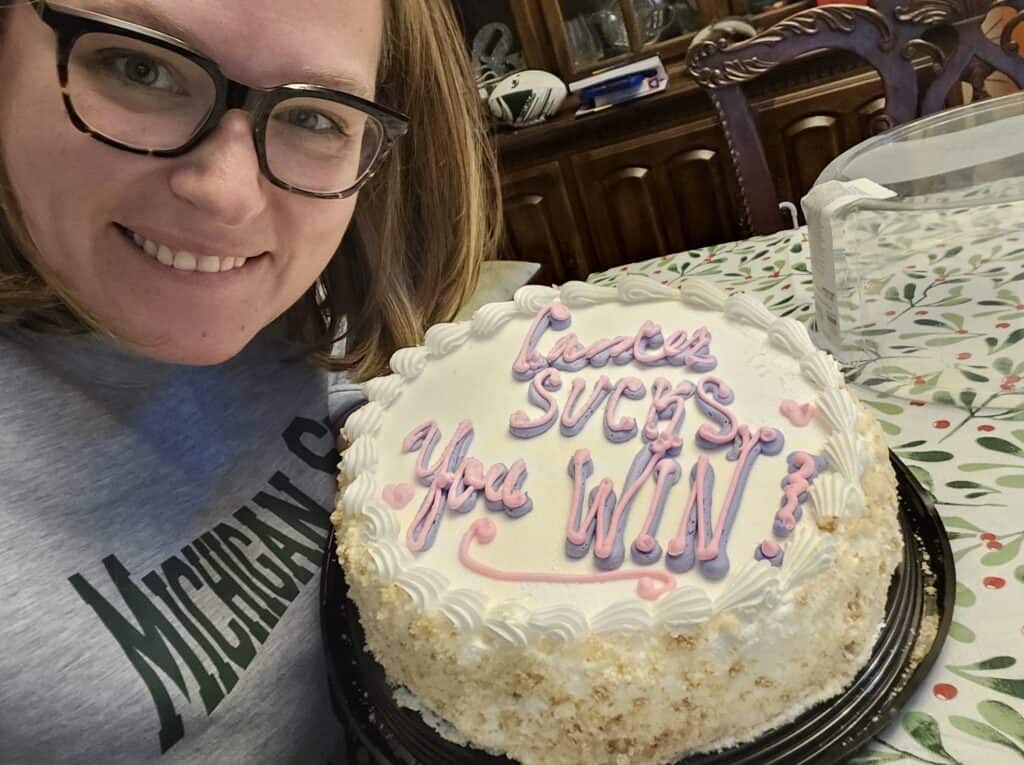
Katie’s decision to switch oncologists marked a turning point in her journey. In that moment, she trusted her instincts, pushed for better care and found the support she needed and deserved.
Her advice to others is simple but powerful:
“The most important medical advice I can give is to advocate for yourself or have someone you trust advocate for you.”
Statements and opinions expressed are that of the individual and do not express the views or opinions of Susan G. Komen. This information is being provided for educational purposes only and is not to be construed as medical advice. Persons with breast cancer should consult their health care provider with specific questions or concerns about their treatment.