Breast cancer can affect anyone, even those with no family history of the disease. At just 36, Roxanne Caletena became a young breast cancer survivor, facing fertility preservation, chemotherapy, surgery and radiation with determination. Along the way, she leaned on the support of her community and discovered the power of asking for help.
An Unexpected Lump
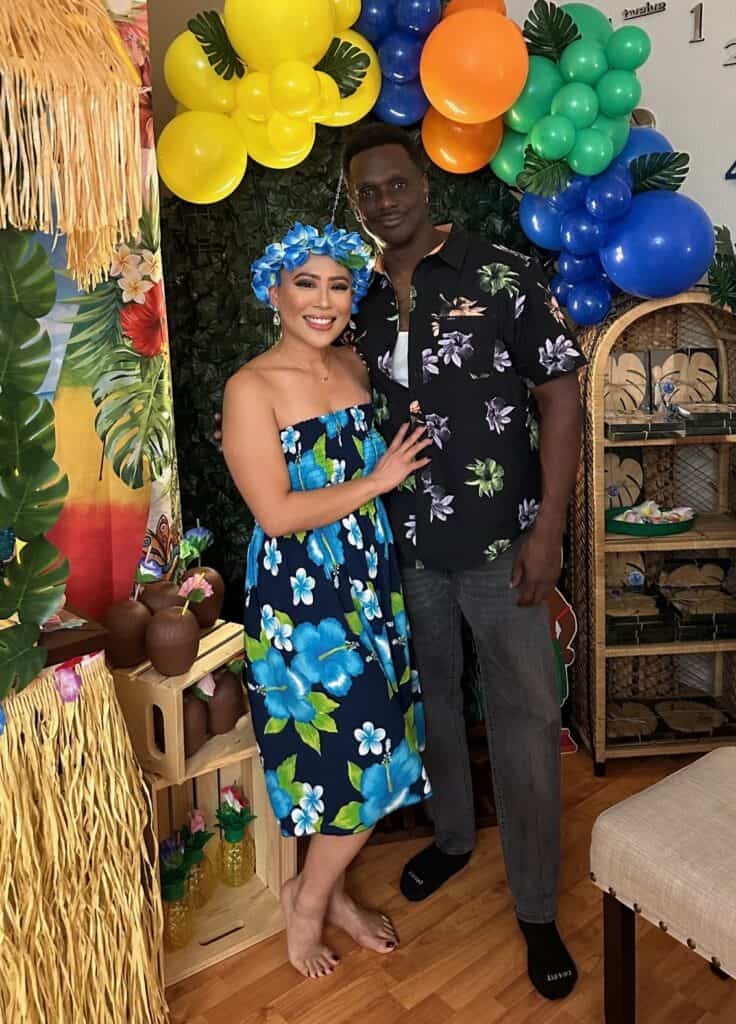
It was the summer of 2023, and Roxanne was enjoying a weekend getaway with her boyfriend, Nathon. During an intimate moment, he noticed a strange lump in her right breast.
“I hadn’t noticed it before and had no idea where it came from,” she said. “I made an appointment with my primary care doctor to have it checked out.”
At her appointment, Roxanne’s physician performed a clinical breast exam and reviewed her family health history. She was 36 years old with no family history of breast cancer and was considered low risk. Her doctor gave her two options: move forward with additional tests or wait and monitor the lump. Roxanne chose to wait.
“The holidays came and went, and then in February, I suddenly felt a shocking discomfort in my breast,” she said. “It happened more frequently over the next several days, so I called my doctor to let her know it was time to move forward with further testing.”
A Life-Changing Breast Cancer Diagnosis
Within a week, Roxanne had a diagnostic mammogram and a breast ultrasound. Nathon was by her side when she met with the radiologist to review the results.
“I froze when I read the words, ‘highly suggestive of malignancy,’” she said. “I was so glad to have Nathon with me for support, but I secretly worried this might be too much for him.”
A biopsy confirmed Roxanne had stage 2B, estrogen and progesterone-positive invasive ductal carcinoma (IDC) – the most common type of breast cancer, which starts in the milk ducts and spreads to the surrounding breast tissue.
Preserving Fertility Before Treatment
Her oncologist recommended neoadjuvant chemotherapy, which is chemotherapy given before surgery to shrink the tumor so a lumpectomy can be an option.
“They wanted to start chemo right away,” she said. “But I had to put that on pause. I want to have children someday, and I knew treatment could impact my fertility.”
In June 2024, Roxanne traveled from her home in Alaska to Seattle to freeze her eggs.
“It was an interesting process to learn about, and we were able to retrieve two eggs,” she said. “It’s comforting to know my option to have children is still there if I lose the ability to conceive naturally.”
Staying Strong During Chemotherapy
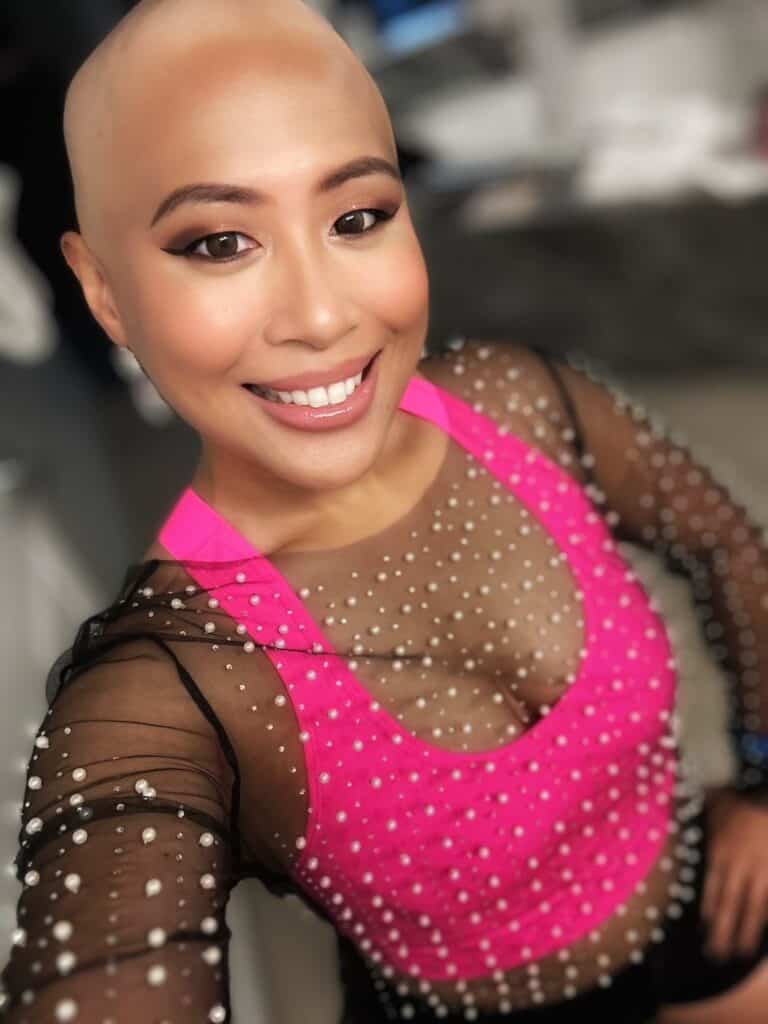
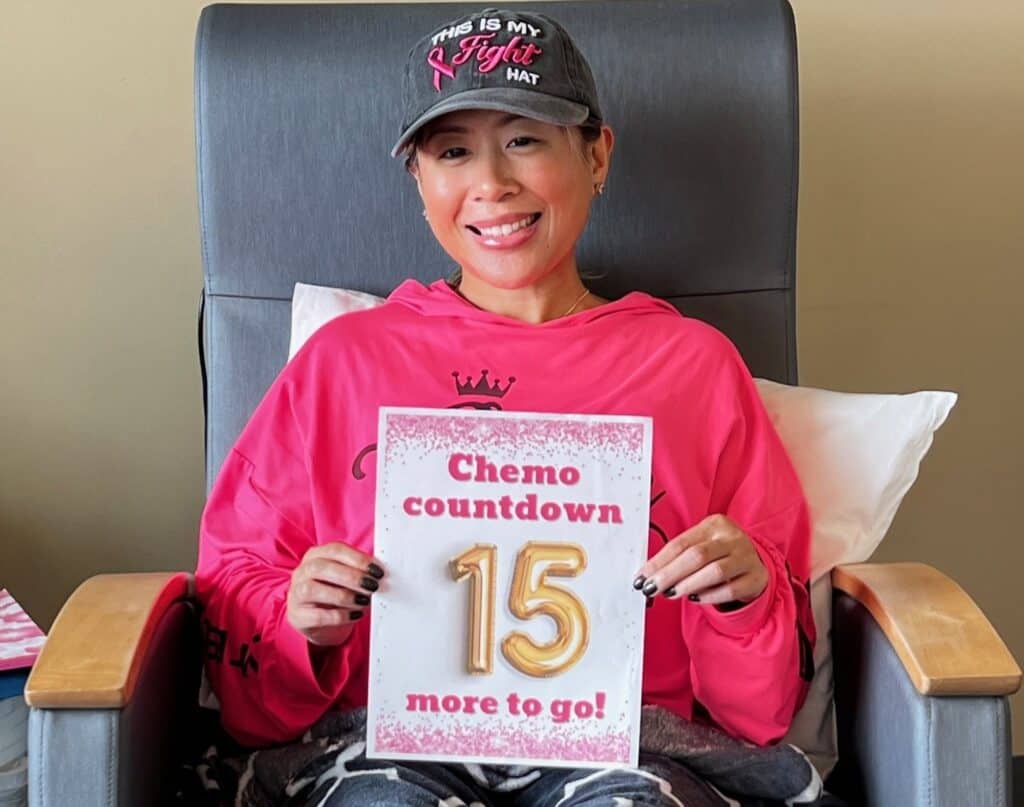
After returning home, Roxanne began 16 weeks of chemotherapy. The most shocking side effect? How quickly she lost her hair.
“It happened so quickly, and I was embarrassed by all of the bald spots,” she said. “I finally decided to shave it all off, which was hard, but also liberating.”
Determined to maintain a sense of normalcy, Roxanne continued working out while in treatment.
“Exercise is how I manage stress,” she said. “I tried to exercise at least three days a week and sometimes pushed myself to do more.”
Balancing Treatment, Work and Emotional Healing
While in treatment, Roxanne continued working three 12-hour shifts as a rehabilitation nurse. “Work made it easier for me to keep going during chemo,” she said. “My work family was there to offer support and assistance, whether it was providing me with meals or checking in on me after treatments.”
She also turned to online therapy for additional social support.
“Treatment was emotional, and the hardest part was knowing who to talk to,” she said. “I struggled with not wanting to burden my family or Nathon.”
Surgery, Radiation and Ongoing Breast Cancer Treatment
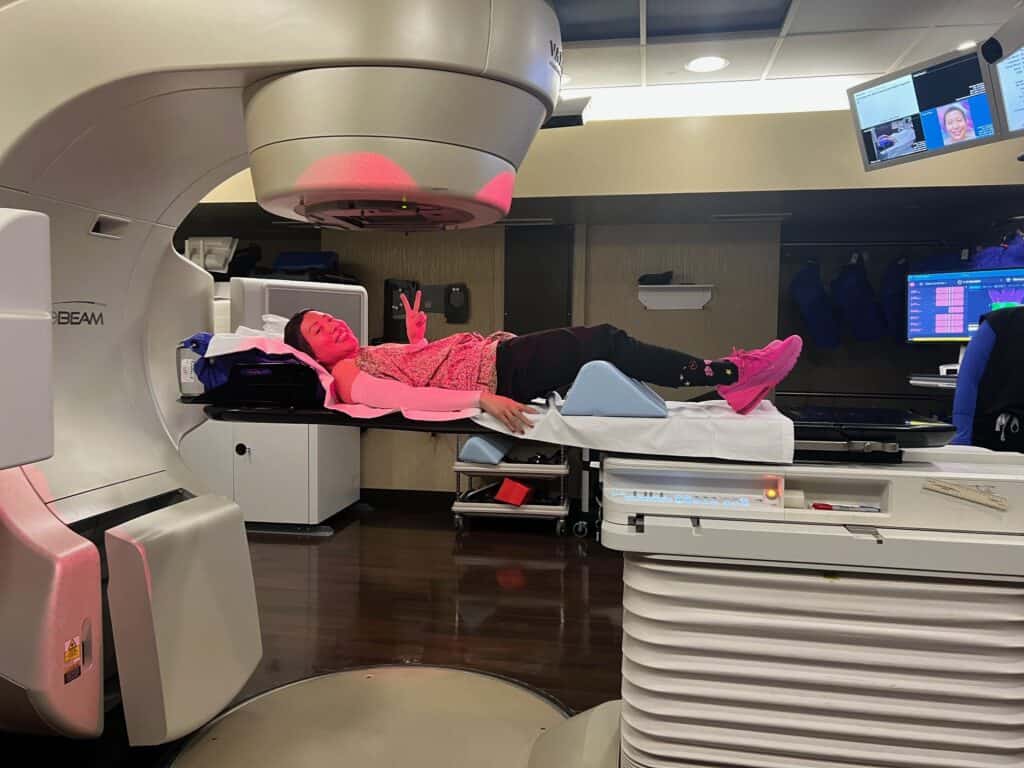
A month after completing chemotherapy, Roxanne had a lumpectomy. Ten weeks later – in late March 2025 – she began radiation therapy. Her final session was on April 28.
She assumed her treatment was over; however, her doctors recommended she begin hormone therapy. She began with a five-year course an aromatase inhibitor to reduce the risk of recurrence. This was paired with two years of Verzenio, a targeted therapy that works by interfering with cancer cells’ ability to divide and grow. To protect her bone health, she receives IV infusions every six months, and to further lower her estrogen levels, she receives a hormone-blocking injection every three months to suppress ovarian function.
“The side effects hit me really quickly, especially the fatigue, bone pain and hip pain,” she said. “It’s hard because you feel like you are done with all your treatments, but you’re not really done because you have to take this pill.”
Sharing Her Breast Cancer Story to Inspire Others
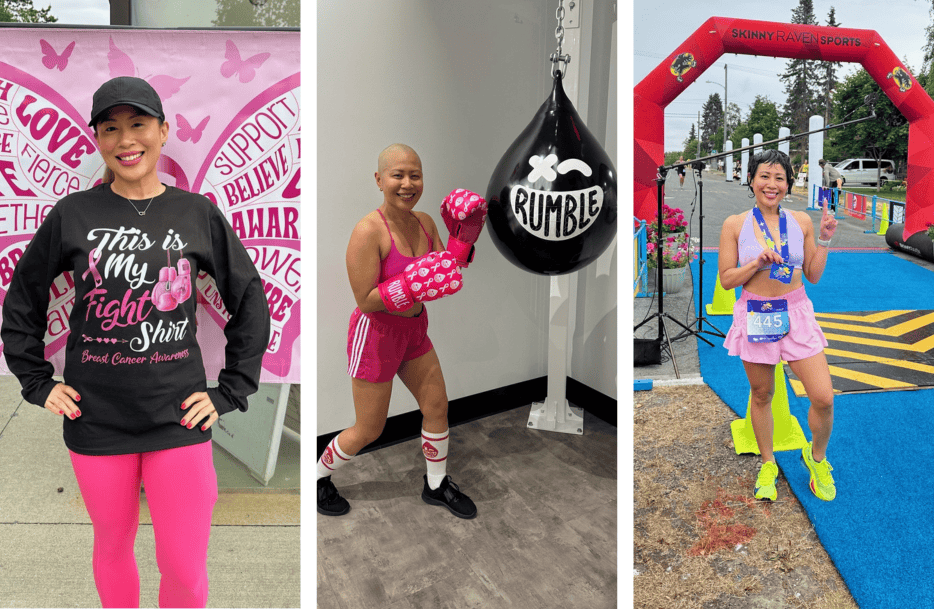
Roxanne hopes her experience provides hope to other young people facing breast cancer.
“One of the biggest things I learned was to stay strong, never give up, keep going, and not be afraid to ask for help,” she said. “This journey opened up my vulnerability, and I was amazed to see how many people out there wanted to help me and show their support and love. I am so grateful for that.”
Statements and opinions expressed are that of the individual and do not express the views or opinions of Susan G. Komen. This information is being provided for educational purposes only and is not to be construed as medical advice. Persons with breast cancer should consult their health care provider with specific questions or concerns about their treatment.