
People living with metastatic breast cancer (MBC) face physical and emotional challenges that stretch far beyond treatment. Aside from living with the uncertainty of how well a treatment will work or what comes next, many struggle with the feeling that they have somehow failed themselves or are letting down the ones they love.
MBC, also known as stage 4 breast cancer, is cancer that has spread beyond the breast and nearby lymph nodes to other parts of the body, like the bones, lungs, liver or brain. And despite ongoing scientific progress and better treatments, MBC is currently not curable. Unlike those who are diagnosed with earlier-stage breast cancer who may eventually complete their treatment, people living with MBC often continue treatment for the rest of their lives.
After a life-changing diagnosis, people living with MBC must navigate a future that often feels uncertain. Beyond the need for compassionate, personalized care, their greatest need may be to know that others will not fail them. The video below echoes some of the thoughts and feelings experienced by the MBC community as they navigate their own experiences.
“I failed myself.”
People living with MBC may struggle with the feeling that their diagnosis represents a failure of their own body, or the result of bad decisions. They might wonder if they could have caught unusual symptoms earlier or gotten medical help sooner. Even well-meaning educational messages about taking charge of your breast health through early detection can reinforce these feelings.
People with MBC also may feel left behind by a culture that often celebrates breast cancer journeys with a clear ending that includes completing treatment, ringing a bell and moving forward. While these milestones are meaningful for some, they do not reflect everyone’s experience. For someone whose treatment continues indefinitely without a finish line, it can be difficult to feel included in the broader breast cancer community.
People living with MBC need to know that their own experience matters just as much, and their diagnosis is not a sign of failure. They also deserve a chance to have hope and optimism about the future.
“I am letting everyone down.”
On top of feeling they may have failed themselves, people living with MBC sometimes feel like they have also failed or let down their loved ones. “I just felt so guilty telling my parents,” says Beth, who was diagnosed with stage 4 inflammatory breast cancer at age 36. “I felt that I was letting them down.”
Some may also grieve the important milestones they don’t want to miss or feel guilty when their illness interrupts special events or the rhythms of everyday life. They might also feel obligated to put on a brave face because they believe their loved ones need them to be strong.
What people with MBC need is reassurance that they are not failing or disappointing anyone by being sick, worried or tired. They need to be honest about the difficult days without feeling obligated to protect the emotions of others. They deserve to be cared for, too.
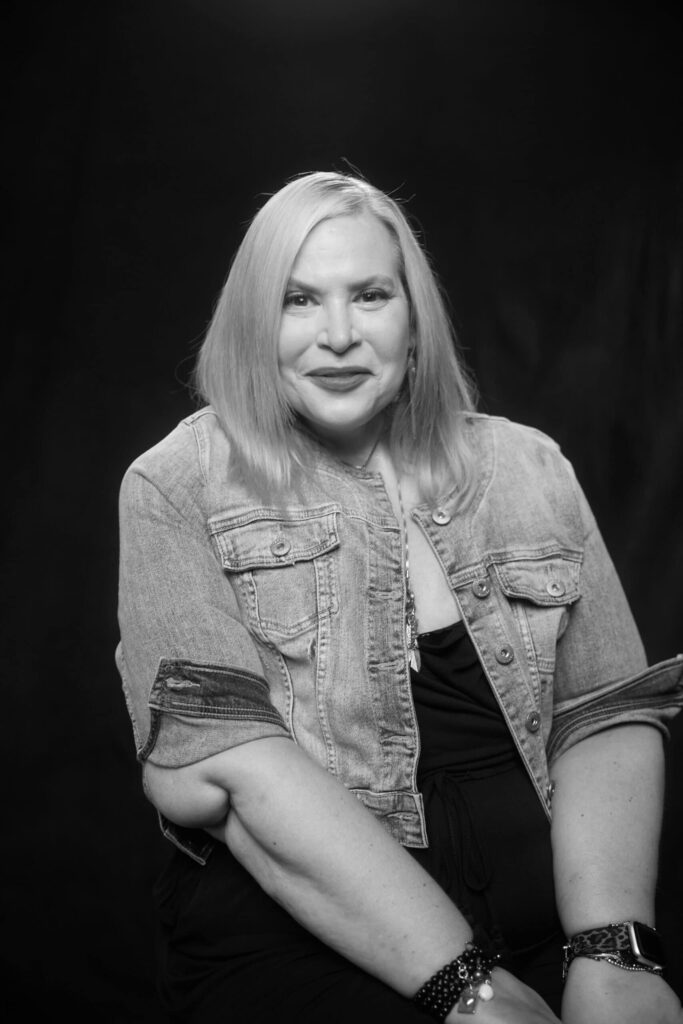
People with MBC deserve the same sense of hope that those with earlier-stage disease often feel after their treatment ends. For some, hope means finding a treatment that keeps their cancer under control. For others, it means seeing a child reach an important milestone, making plans for the future or simply having more “good” days.
Hope may also mean believing that a new drug being studied in a clinical trial could change the future of their care. Advances in targeted therapies and personalized medicine are helping some people live longer with MBC, but more research is needed to help them have longer lives, enjoy a good quality of life and ultimately, to find a cure.
“There may be no cure for me (yet), but there’s always hope.”
People in the MBC community can also find hope in connecting with others around them. “Even if you think that there’s no one there to support you, you’d be amazed how many people there are that are going through the same thing you’re going through,” says Lily, who was diagnosed with de novo MBC at age 50. By connecting with others through events like the MBC Impact Series, people can feel supported and understood, especially when circumstances are beyond their control.
“Don’t fail us.”
For a community that lives from one treatment to the next, research is a critical lifeline. Those who are still dying from this disease place much of their hope in the advancements of research, and that is why researchers cannot fail them.
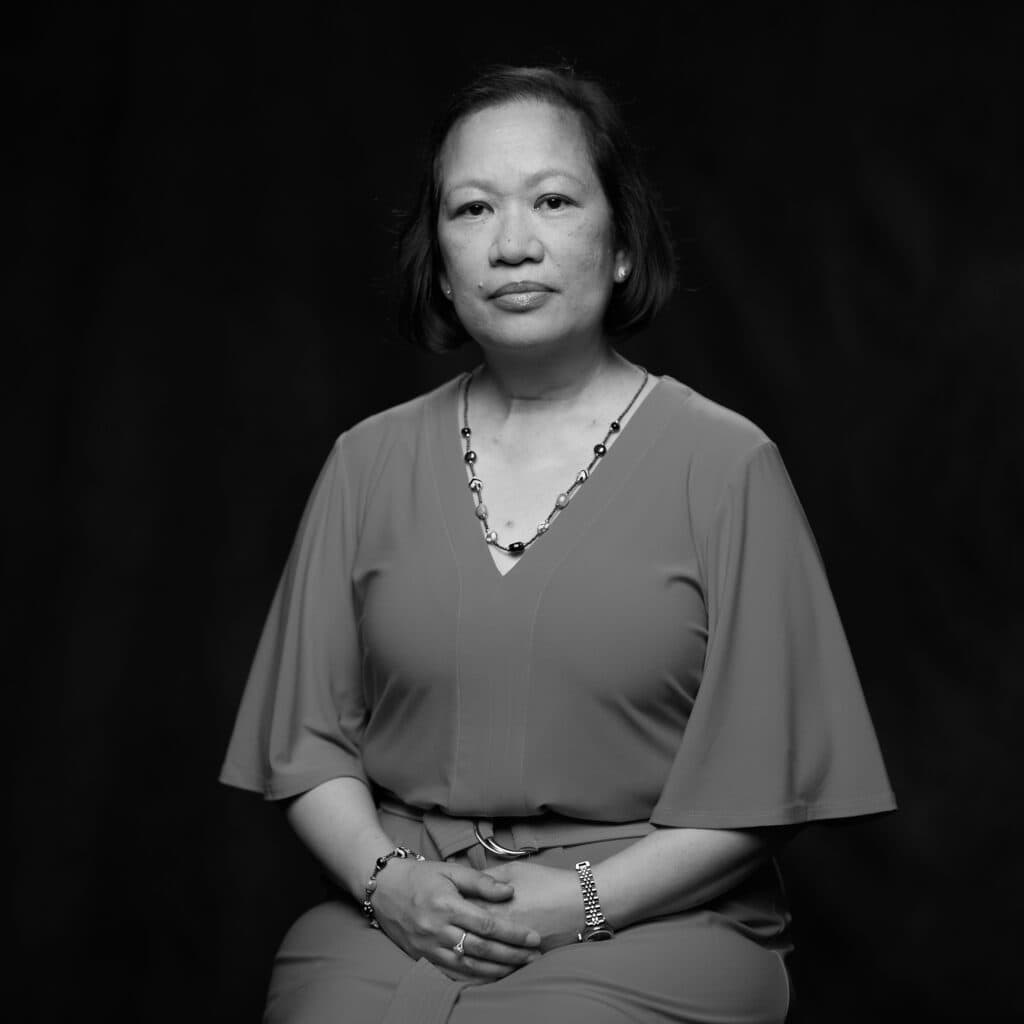
We must continue to support research that brings new treatments and lifesaving clinical trials within reach of the MBC community. This support also includes the tireless work of Komen’s Center for Public Policy and other advocacy organizations to ensure the MBC community has access to the treatments they need without delays, and the best care possible.
Beyond medical care, people living with MBC need the assurance and confidence that others will not fail them. They need to know that in every season of life, they will be seen, heard and never made to feel that their disease is a burden to anyone.
With ongoing research, compassionate care and a community that stands beside them for the long haul, people living with MBC can find hope in everyday life, and every day can become a new adventure. “It’s a struggle,” Lily says, “but there’s something to be said about waking up in the morning and knowing you have another shot.”
Did you know? Komen has supported over $375 million in more than 900 research grants and over 110 clinical trials focused on MBC, but our work is not done.
Read about emerging metastatic breast cancer treatments
Learn more about clinical trials.
For more information, check out the Metastatic Breast Cancer section of our website and our free, downloadable educational resources
For more information about the MBC Impact Series and to sign up to be notified of upcoming episodes and events, visit komen.org/mbcseries.