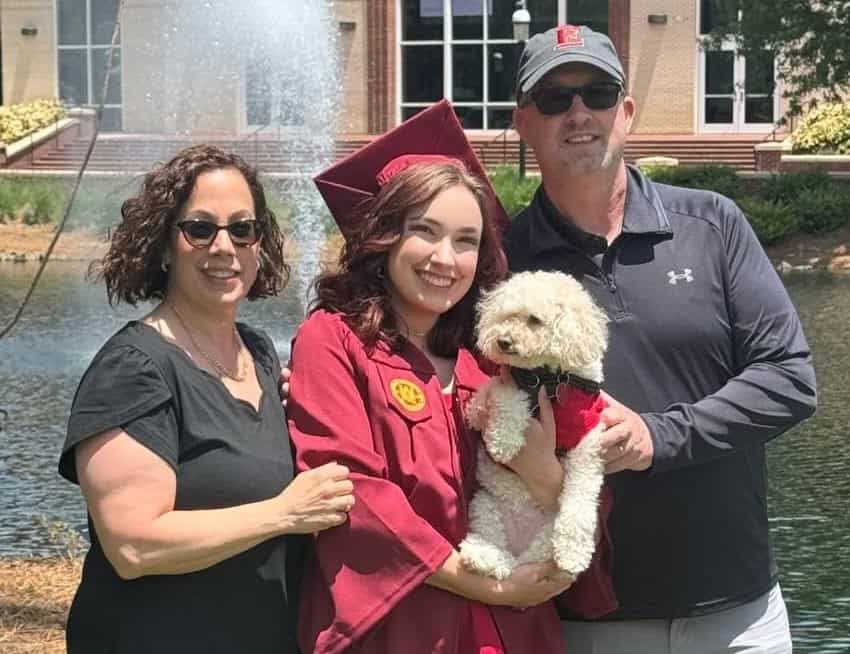
It would take time for Deanna to recognize that her experience did not need to look like anyone else’s for her to belong in the breast cancer survivor community.
A Surprising Breast Cancer Diagnosis
For years before her diagnosis, Deanna received regular mammograms and breast ultrasounds because of her dense breast tissue. In 2023, when she tried to schedule her annual mammogram, she learned that she first needed to complete a recommended six-month follow-up ultrasound.
At the time, Deanna was also navigating a major professional change. After 21 years as a mental health caseworker, she transitioned into health and wellness and began building a career as a personal trainer. While she built her new career, she and her husband relied primarily on his income.
Because Deanna had not met her insurance deductible, she faced unexpected out-of-pocket costs for the ultrasound. Unable to absorb the expense right away, she postponed the appointment for a few months. When she had the ultrasound that November, the radiologist recommended a biopsy.
Shortly before Christmas, Deanna received a call from her doctor with the biopsy results. She had stage 1A invasive ductal carcinoma (IDC).
“I had no symptoms, I didn’t feel anything and I had no family history,” she said. “I wondered if I had done something wrong.”
Treatment Changes Her Plans
Deanna had a lumpectomy. Although tumor profiling tests showed a low risk of recurrence and chemotherapy was not recommended based on results, she soon learned that abnormal cells remained because additional imaging showed an area of concern in her opposite breast.
Her care team recommended another lumpectomy followed by radiation therapy, but Deanna and her husband considered a different option.
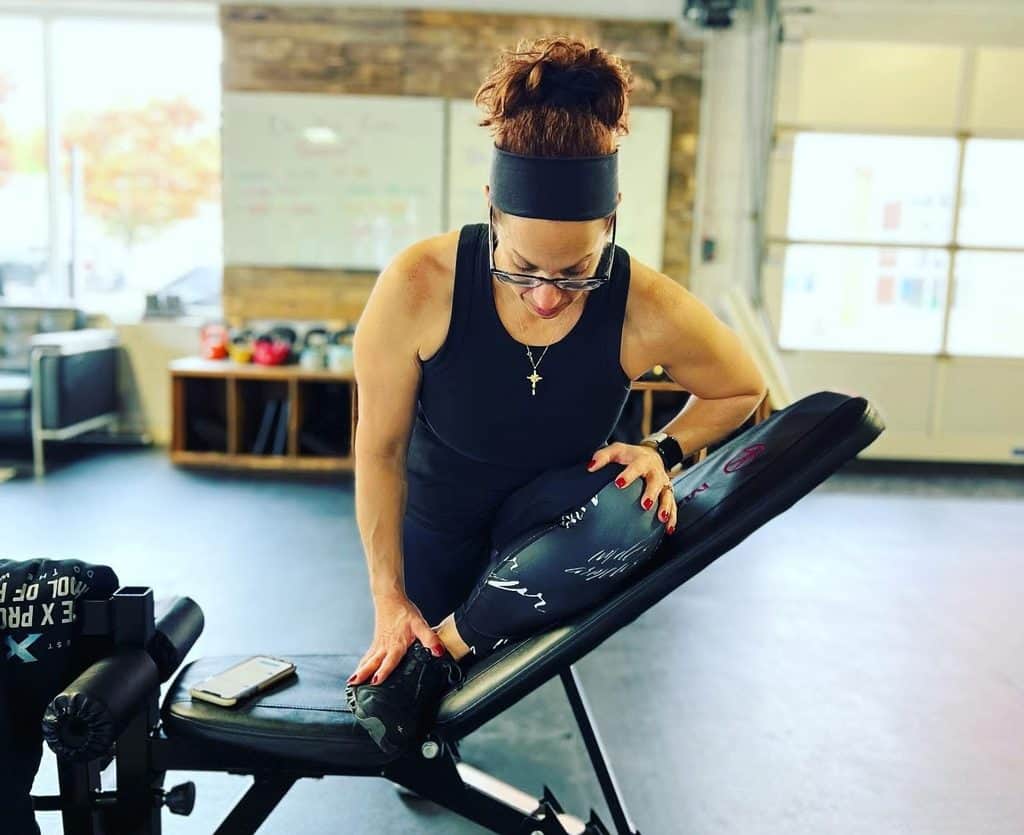
After breast cancer recovery, Deanna found she could no longer train the same way as before. She developed a new fitness strategy to focus on strength training to combat the ongoing side effects of hormone therapy.
“We talked about it, and I said, ‘No, let’s do a double mastectomy,’” she said.
Two months after her initial lumpectomy, Deanna underwent a bilateral mastectomy. Because she chose to remove both breasts, her treatment plan no longer included radiation therapy. But her recovery was far from over. Tissue expanders were placed during the mastectomy, and she later underwent DIEP flap reconstruction using tissue from her abdomen.
“They tell you what you’re going to go through, but you really don’t know until you’re actually going through it,” she said.
The abdominal surgery was especially challenging. Deanna developed an infection along the incision, and her recovery took nearly a year. For months, she slept in a recliner and was unable to lift anything. As a personal trainer, those limitations affected both her daily life and the career she worked hard to build.
“I kept telling myself, ‘I’m strong. I’m going to get through this. This is no big deal,’” she said. “But I struggled to cope with it at the time. I had just had a part of my body taken away.”
While taking an aromatase inhibitor to reduce her risk of recurrence, Deanna experienced ongoing fatigue, joint pain and other side effects. As a result, returning to work and doing the physical activities she enjoyed became more difficult.
Facing Breast Cancer Survivor Guilt
Despite undergoing two breast cancer surgeries, Deanna struggled with calling herself a survivor.
Still, Deanna found herself minimizing everything she experienced.
“My mentality was that I couldn’t complain because I didn’t have to go through chemotherapy or radiation,” she said. “Other people had it worse than me. I kept asking myself, ‘Do I really warrant the title of breast cancer survivor?’”
Deanna tried joining a support group, hoping to connect with others who understood her experience. Instead, listening to people describe more intensive treatments reinforced her belief she did not belong.
“I thought, ‘I have my hair, and I didn’t have to go through chemotherapy or radiation,’” she said. “I felt like I shouldn’t be complaining.”
Although Deanna spent more than two decades helping others manage their mental health, she found it difficult to extend that same understanding to herself.
“When you go through a traumatic illness or event yourself, you’re the worst patient,” she said.
Finding New Purpose in Helping Others
Deanna’s uncertainty extended beyond whether she belonged in the breast cancer community. After taking a year and a half off from work to recover, she also questioned what her professional future would look like.
“I felt lost. I didn’t know what my purpose was anymore. I was trying to figure out where I belonged in this new body.”
Deanna Alpaugh
Following a move to North Carolina, Deanna continued training a few clients virtually. But her body required more time to recover from physical activity, and she found she could no longer approach fitness the same way she had before her breast cancer diagnosis.
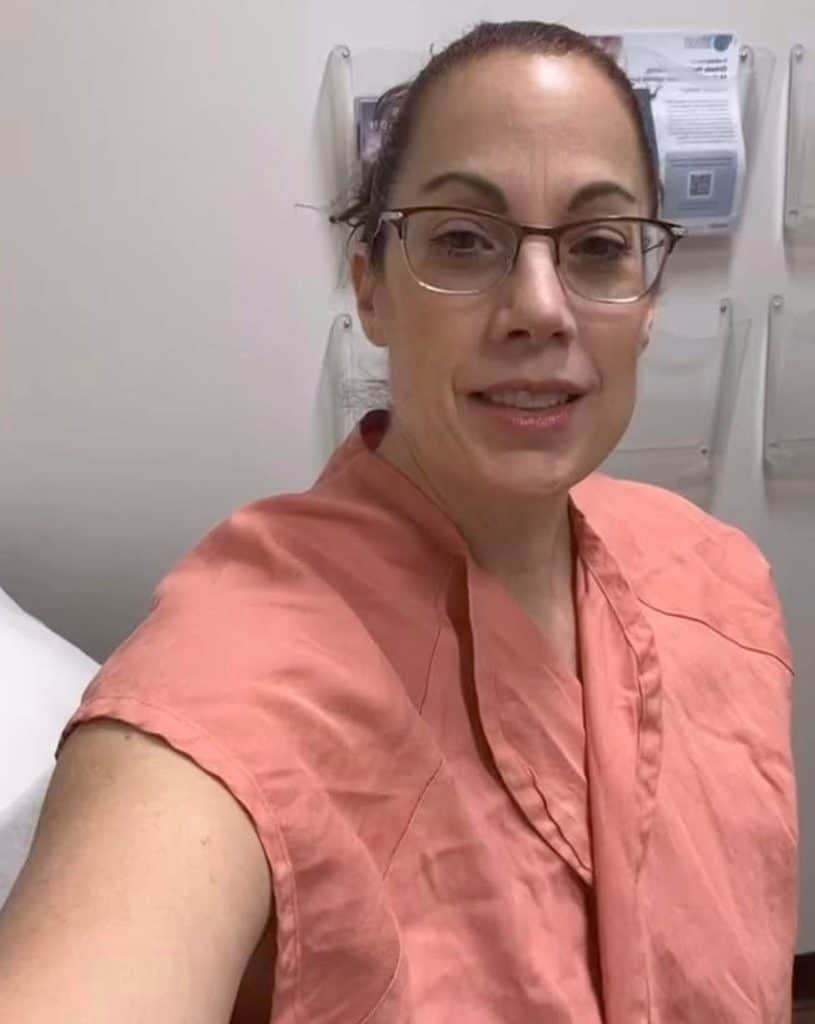
Deanna began sharing candid videos about breast cancer, survivor guilt and returning to physical activity. Talking openly about her experiences became therapeutic and allowed her to connect with people experiencing similar emotions.
“The more I can connect with others, maybe I can help somebody who has felt the same way,” she said. “It’s a way to connect and not feel alone.”
Click here for more information on breast cancer survivorship.
Statements and opinions expressed are those of the individual and do not express the views or opinions of Susan G. Komen. This information is being provided for educational purposes only and is not to be construed as medical advice. Persons with breast cancer should consult their healthcare provider with specific questions or concerns about their treatment.