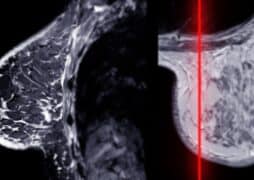
Investing in the Future of Breast Cancer Research
“At a time when federal funding for scientific research is increasingly limited and complicated, Komen’s investment is helping sustain critical momentum in the search for breakthroughs. Demand exceeds currently available government funding, creating growing challenges for scientists — particularly early-career investigators — whose groundbreaking ideas often face the greatest barriers to securing support.”
Victoria Wolodzko Smart, senior vice president of Mission at Susan G. Komen
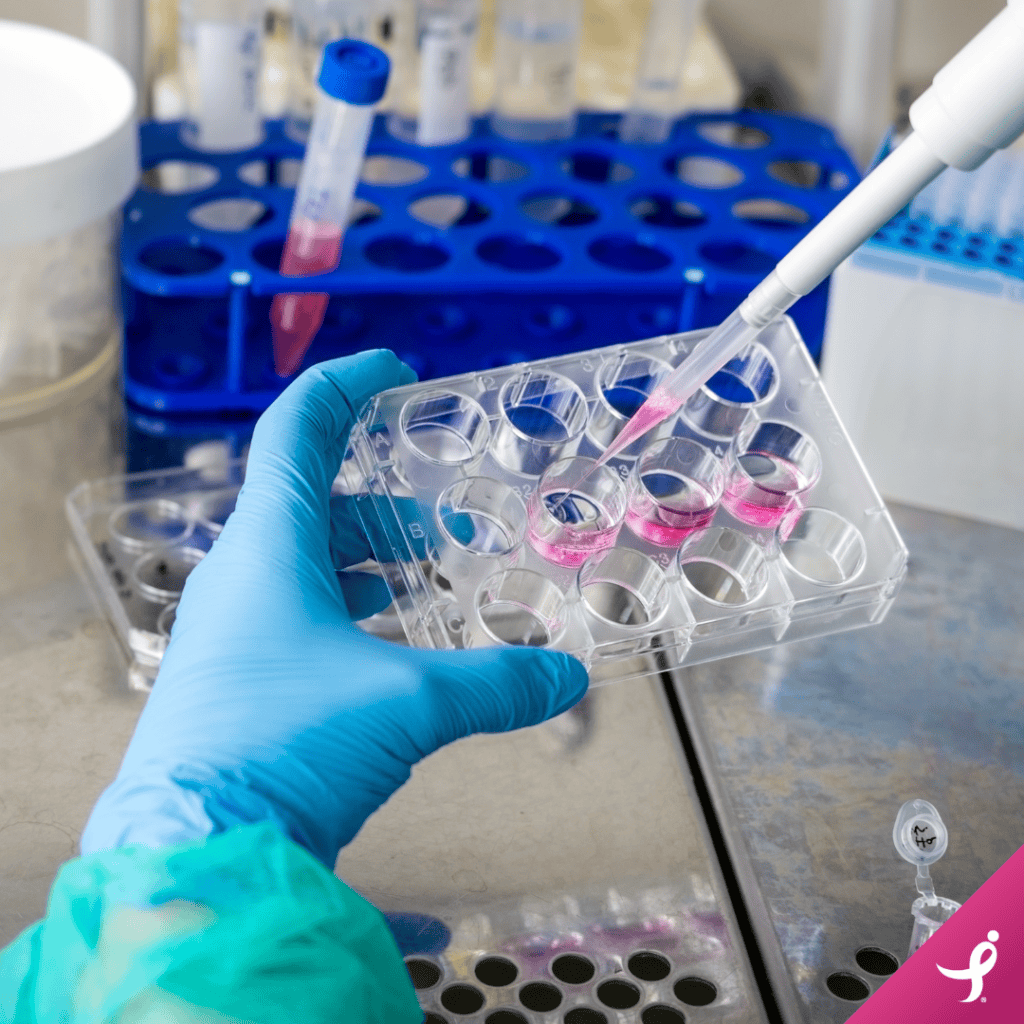
Susan G. Komen is investing in the future of breast cancer research through its latest slate of research grants, awarding $15.4 million to researchers working on accelerating breakthroughs in prevention, diagnosis, treatment and survivorship.
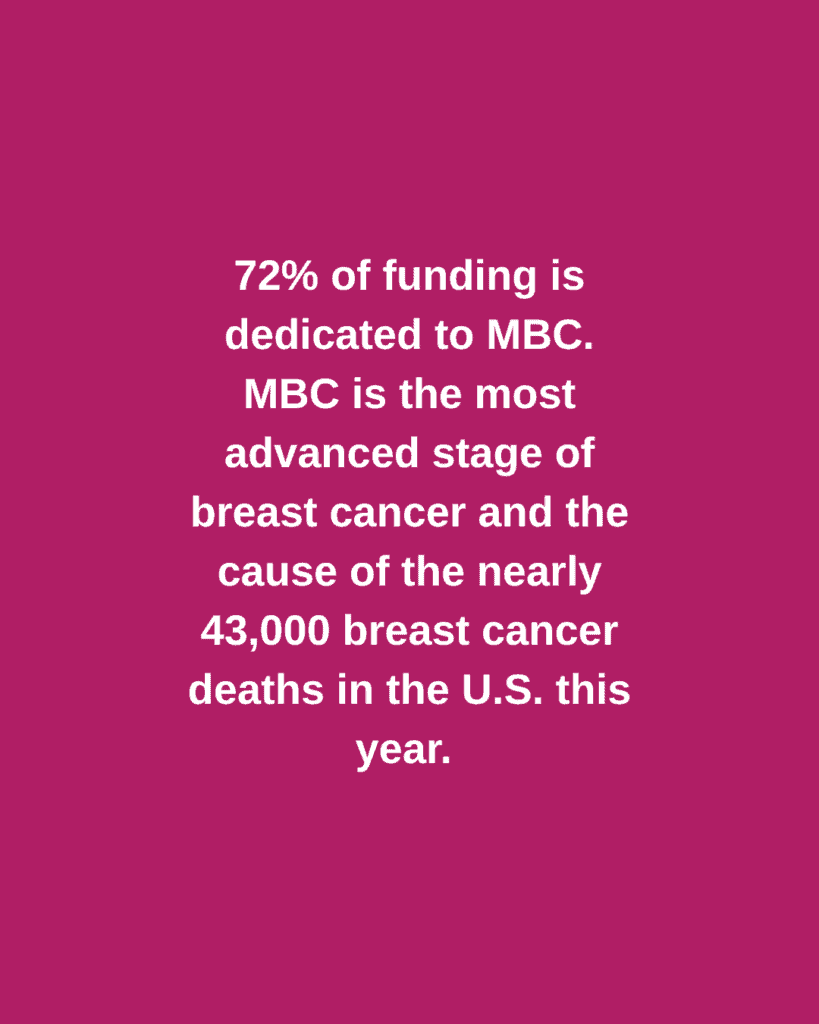
Since our inception, Komen has invested more than $1.1 billion in breast cancer research. This year’s funding supports 35 researchers hailing from 24 medical and research institutions across the U.S.. The breadth of work from these researchers spans some of the most promising areas of science, including artificial intelligence (AI), vaccine development, metastatic breast cancer (MBC) and precision medicine.
This year’s grants support research focused on some of the most pressing challenges facing patients today, including:
- Reducing disparities in breast cancer outcomes
- Understanding breast cancer in younger populations
- Exploring the role of weight loss in breast cancer prevention
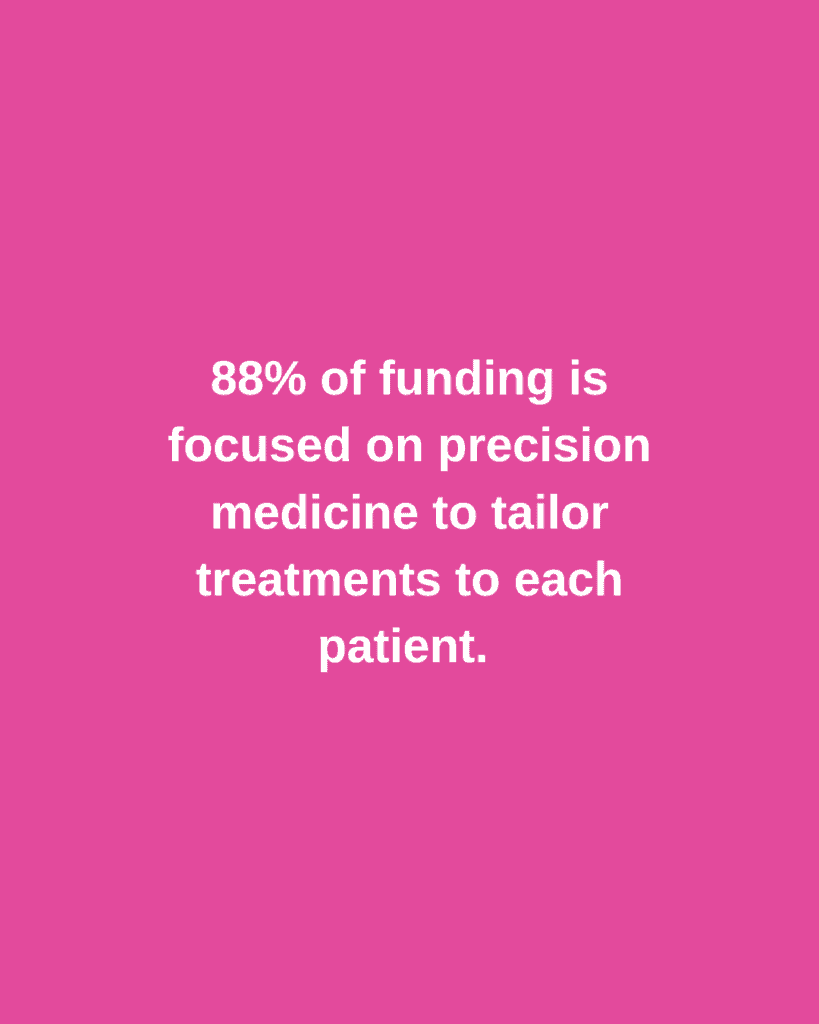
- Advancing more personalized treatment approaches.
The Recipients and Their Work
Recipients of Career Catalyst Research Grants
- Julie Di Martino, Ph.D., New York Medical College: Investigating the Bradykinin Receptor 2-Apelin receptor pathway in controlling breast cancer dormancy and reactivation. She will use complementary laboratory models to test the therapeutic targeting potential of this pathway to better understand metastatic progression. These findings could lead to biomarker identification for relapse risk and additional therapeutic targets, shifting the clinical focus from treatment to prevention of metastases.
- Carman Li, Ph.D., University of Pennsylvania Perelman School of Medicine: Interested in finding new therapies for sporadic and hereditary basal-like breast cancer, an aggressive and often deadly type of breast cancer that lacks common therapeutic targets and disproportionately affects Black women. She will use novel laboratory and patient-derived models for investigation of chromatin priming to discover targets for new treatments.
- Eva González Díaz, Ph.D., Icahn School of Medicine at Mount Sinai: Will use breast cancer bone organoids to investigate how patients acquire drug resistance and how cancer cells acquire dormancy, as well as test novel treatments in order to advance personalized medicine for people with drug resistant bone metastatic hormone receptor-positive (HR+), HER2-negative (HER2-) breast cancer.
- Anli Zhang, Ph.D., The University of Texas Southwestern Medical Center (UT Southwestern): Will investigate targeting factors that reduce the effectiveness of current triple negative breast cancer (TNBC) therapies. She will also evaluate and optimize novel vaccines for TNBC in laboratory and humanized animal models, producing high-impact preclinical data that may guide the development of next-generation immunotherapies in TNBC, including metastatic disease.
- Rosalyn Sayaman, Ph.D., The Regents of the University of California, San Francisco: Will explore how genetic factors affect how cancer cells process
sfat (lipid metabolism), which reduces sensitivity to therapeutic treatments in some patients with high-risk, early-stage breast cancer. She will analyze data from the I-SPY2 trial to develop biomarkers and therapeutic combination strategies to stratify patients for new treatments, personalizing breast cancer medicine,and improving outcomes.
- Benjamin Schrank, M.D., Ph.D., The University of Texas MD Anderson Cancer Center: Will investigate a novel antibody-drug conjugate (ADC) breast cancer therapy, HERO47, that targets HER2+ tumor cells by activating the body’s immune system to fight these cells. The overall goal of this work is to overcome drug resistance in patients and improve treatment of HER2-positive (HER2+) metastatic disease.
Recipients of Career Transition Awards
- Julia Ransohoff, M.D., Stanford University School of Medicine: Is investigating new techniques to detect and monitor chemotherapy resistance in small areas of molecular residual disease. She will directly compare liquid biopsy methods with these new spatial molecular residual disease techniques in patient samples to identify biomarkers associated with metastatic potential and chemoresistance, improving treatment responses and survival.
- Daniel Peiffer, M.D., Ph.D., The University of Chicago: Will investigate the Trop-2 antibody-drug conjugate (ADC) sacituzumab govitecan (SG) in laboratory and patient-derived models of MBC to optimize patient benefit. He will test if levels of Trop2 and other proteins can serve as biomarkers to guide treatment with SG versus other drugs, and if combining SG with drugs that target a protein called SLFN11 can increase effectiveness of SG in metastatic HER2- breast cancer.
- Hanna Karvonen, Ph.D., NYU Grossman School of Medicine: Is investigating two new therapeutic targeting agents, PI3K inhibitor VPS34 and retinoic acid receptor alpha, to determine how each of these targets work individually and in combination for treatment of estrogen receptor-positive (ER+) breast cancer. Using genetic and pharmacological tools in laboratory and patient-derived models, the information gained may expand treatment options and improve outcomes for patients with ER+ breast cancer.
Recipients of Opportunity Grants
- Antonio Wolff, M.D., Johns Hopkins University School of Medicine: Receiving funding to support the Translational Breast Cancer Research Consortium (TBCRC). The TBCRC is a group of 18 leading academic institutions and medical centers that provides a forum where investigators, advocates, coordinators, scientists and biostatisticians work together to plan and refine clinical trials, advancing breast cancer research. More than half of TBCRC trials have focused on MBC.
- Patrick Derksen, Ph.D., University Medical Center Utrecht: Investigating the mechanisms that activate dormant, disseminated tumor cells hiding in the body that can become metastatic tumors. He will use transcriptomics and phosphoproteomics in laboratory and patient-derived models to identify biomarkers of dormancy, relapse
,and to discover new targets for treating invasive lobular carcinoma (ILC). He will also test the effectiveness of CDK inhibitor palbociclib and AKT inhibitor capivasertib in ILC.
- Christina Curtis, Ph.D., Stanford University School of Medicine: Working to uncover specific features of the tumor microenvironment with spatial transcriptomics and proteomic profiling to predict metastatic relapse risk and treatment response for invasive lobular carcinoma (ILC) using AI/machine learning. In addition, she will identify new targets for metastasis treatment and prevention for ILC.
Recipients of Leadership Grants
- Kornelia Polyak, M.D., Ph.D., Dana-Farber Cancer Institute: Studying whether a protein called midkine can be used to help identify younger women at higher risk of developing breast cancer. Her group will also explore how an inherited gene mutation increases the chances of getting estrogen receptor-positive (ER+) breast cancer at a young age. The results could improve how we assess breast cancer risk and lead to new ways to prevent the disease in women who are most at risk.
- Jennifer Pietenpol, Ph.D., Vanderbilt University Medical Center: Is using patient samples from a clinical trial, along with some lab models, to figure out how to better target and treat a type of triple negative breast cancer (TNBC) called luminal androgen receptor (LAR) TNBC. She’s exploring how a mix of androgen therapy and standard treatments can work together. The main aim is to find new, effective treatments tailored to LAR, since this kind of TNBC doesn’t respond well to immunotherapy.
- Amelie Ramirez, Dr.P.H., The University of Texas Health Science Center at San Antonio: Will complete a pilot randomized controlled trial of 40 Latina breast cancer survivors to compare therapeutic yoga to guideline-concordant physical therapy with a goal of improving outcomes in health-related quality of life by alleviating long-term treatment side effects for these patients and to inform a future, larger national trial.
- Ian Krop, M.D., Ph.D., Yale School of Medicine: Will test liquid biopsy ctDNA screening to determine when to use the HER2 antibody-drug conjugate (ADC) trastuzumab deruxtecan (T-DXd) in the phase II GUIDE HER2 clinical trial. The goal is to use real-time biologic responses in decision-making to guide and personalize therapy instead of just treating all patients the same, which may improve outcomes and prevent unneeded side effects.
- Lisa Newman, M.D., M.P.H., Weill Cornell Medicine: Is studying how ancestry, particularly African ancestry, contributes to the genetic risk of developing triple negative breast cancer (TNBC). She will continue these studies by identifying immune cells and immune biomarkers in TNBC to better define TNBC subtypes in diverse populations, with the goal of alleviating breast cancer disparities by expanding our knowledge of the root causes of TNBC in specific populations.
- Ben Ho Park, M.D., Ph.D., Vanderbilt University Medical Center: Exploring how mutations in a protein called SF3B1 contribute to breast cancer and use that knowledge to develop new treatments for tumors with this mutation. The findings may also help create therapies for other breast cancers involving mistakes in processing genetic messages and could point to new drug targets.
- Melissa Troester, Ph.D., University of North Carolina at Chapel Hill: Will evaluate tumor and DNA samples from the Carolina Breast Cancer Study to determine how the composition of immune cells differs between Black and white women. The goal of this project is to better understand how variations within the tumors of Black women contributes to racial disparities in breast cancer outcomes and recurrence.
- Christina Curtis, Ph.D., Stanford University School of Medicine: Will study the tissue environment around breast cancer tumors in high-risk groups to better understand what causes the breast cancer tumor to grow, resist treatment or come back. By using advanced tools, the research aims to improve how patients are grouped for treatment and help develop better therapies.
- Rulla Tamimi, Sc.D., M.S., Weill Cornell Medicine: Investigating how weight loss affects breast cancer risk, prevention and survival. She will study how weight loss drugs affect breast cancer risk, testing an AI derived breast cancer imaging risk score (Mirai) as an intermediate marker of breast cancer risk in women before and after taking SGL2 inhibitors and GLP-1 receptor agonists to determine if these drugs can be used for breast cancer chemoprevention.
- Tuya Pal, M.D., Vanderbilt University Medical Center: Will continue providing web-based genetic counseling to young Black women with breast cancer, aiming to increase genetic testing to inform their families. She plans to enroll 100 more women and continue researching genetic drivers of hereditary cancer by analyzing medical records and sequencing archival tissues. The goal is to reduce disparities in breast cancer outcomes through improved understanding of inherited mutations.
- Reshma Jagsi, M.D., D.Phil., Emory University: Will continue her clinical studies to understand how radiation therapy combined with drug treatment or surgery can be personalized using biomarkers to optimize patient response. Treatment-related physical and financial toxicity in Black breast cancer patients and a decision-making tool will also be evaluated. The goal of this project is to use several clinical trials and data sources to better understand how to personalize radiation therapy to improve breast cancer outcomes, treatment experience and quality of life for breast cancer survivors from all racial backgrounds.
- Allison Kurian, M.D., M.Sc., Stanford University School of Medicine: Exploring why some women are more likely to die from breast cancer by studying data from the Northern California Breast Cancer Family Registry and the California Cancer Registry. She will be using advanced technologies to analyze breast cancer tumors and the area around them for molecular patterns associated with recurrence and breast cancer death. The project will look at how factors like race, genetics
,and the immune system affect outcomes, with the goal of improving treatments and making clinical trials more inclusive.
- Cynthia Ma, M.D., Ph.D., Washington University in St. Louis: Will use tumor samples collected post-surgery from the ALTERNATE clinical trial and following endocrine (hormone) therapy to identify genetic changes and mechanisms of endocrine resistance. The hope is that this data will help identify which patients may develop resistance to endocrine therapy and guide the development of more personalized treatments that will save lives.
- Sara Tolaney, M.D., M.P.H., Dana-Farber Cancer Institute: Investigating whether the antibody-drug conjugate (ADC) sacituzumab govitecan (SG) combined with immunotherapy pembrolizumab more effectively recruits and activates tumor immune cells compared to SG alone in patients with metastatic triple negative breast cancer (TNBC). The goal of this research is to identify tumor and/or possible immune biomarkers of response and resistance to SG alone and which patients will benefit from combination with immunotherapy.
- Donald McDonnell, Ph.D., Duke University: Exploring the mechanism driving LYPD3, a protein shown to be expressed in all subtypes of breast cancer and when elevated, has been associated with aggressive disease.
- Susan Domchek, M.D., University of Pennsylvania: Will investigate new strategies for helping women with BRCA1 and BRCA2 mutations make decisions regarding breast cancer screening and risk-reducing surgery. The goal of this project is to capitalize on new advances in genetic testing technology to empower patients to make the best decisions for their breast health.
- Lisa Coussens, Ph.D., Oregon Health & Science University: Continuing to investigate new ways of using the immune system to attack breast cancer cells. The goal of this research is to apply immunotherapy treatments to more patients, as not all people with breast cancer benefit from currently available immunotherapies.
- Nancy Lin, M.D., Dana-Farber Cancer Institute: Will use patient samples to find new treatment targets for people with advanced breast cancer that has spread to the brain and spinal fluid. The goal is to develop better therapies and improve outcomes for these patients.
- Tracy Battaglia, M.D., M.P.H., Yale University: Aiming to increase genetic testing for hereditary breast cancer, especially among Black patients. Her team is using an AI algorithm to identify eligible individuals within a statewide care network who should receive testing. They will implement a single-arm prospective pilot study to evaluate the intervention’s effectiveness in increasing genetic testing rates among approximately 1,200 eligible breast cancer patients.
- Sohrab Shah, Ph.D., Memorial Sloan Kettering Cancer Center: Will use HER2-positive (HER2+) breast cancer samples from patients treated with antibody drug conjugates (ADCs) to uncover how treatment impacts cancer evolution with an ultimate goal of better understanding ADC resistance.
- Mariana Chavez MacGregor, M.D., M.Sc., The University of Texas MD Anderson Cancer Center: Studying the social and policy-level factors that contribute to patients from underserved populations delaying treatment initiation or not completing their breast cancer treatment. She will investigate the impact of treatment initiation and completion on population-specific outcomes as well as the role of interpersonal violence and the impact of socioeconomic deprivation and insurance type (comparing traditional Medicare coverage, Medicare Advantage plans and Medicaid coverage under the expansion) on treatment. The overall goal is to better understand patient patterns and highlight areas of need to inform design of future interventions with a goal of improving care and influencing policy.
Recipients of Scientific Strategy and Programs Grants
- Kate Quinn, CFRE, American Society of Clinical Oncology: This grant to Conquer Cancer, the American Society of Clinical Oncology Foundation, will support the Conquer Cancer-Susan G. Komen Global Oncology Young Investigator Award which provides research funding to an early-career breast cancer investigator to encourage and promote quality research in global oncology and to develop the next generation of researchers to address global health needs.
- Rita Mukhtar, M.D., The Regents of the University of California, San Francisco: This grant will support collaborative programming at the International Lobular Breast Cancer (ILC) 2026 Symposium, led by Dr. Rita Mukhtar at the University of California at San Francisco. This conference will bring together the scientific community to foster ILC research, raise awareness and advocate for ILC research, disseminating the latest advances and fostering the development of trainees and early career investigators to support research and clinical efforts on ILC. There will be an exchange of information between researchers, clinicians and patients from all over the world.
“The researchers receiving grants from Susan G. Komen are making lasting contributions to our understanding of breast cancer and bringing the innovation and technology that’s needed to this disease so that all patients can receive the best care possible and enjoy a high quality of life after a breast cancer diagnosis.”
Dr. Ann Partridge, Chief Scientific Advisor for Komen
- Alana Welm, Ph.D., Metastasis Research Society: This grant to the Metastasis Research Society (MRS) under the leadership of Dr. Alana Welm of the University of Utah will support collaborative programming at the 21st Biennial Congress of the Metastasis Research Society. This conference will support progressive research on metastasis and metastatic cancer of all types. There will be an exchange of information between researchers, clinicians, industry
,and patients from all over the world.
While these grants directly fund research, they also fuel possibility. By empowering the brightest minds at every stage of their careers, Komen is building a foundation for the next generation of discoveries. With each breakthrough, we move closer to a world where no one dies of breast cancer.