
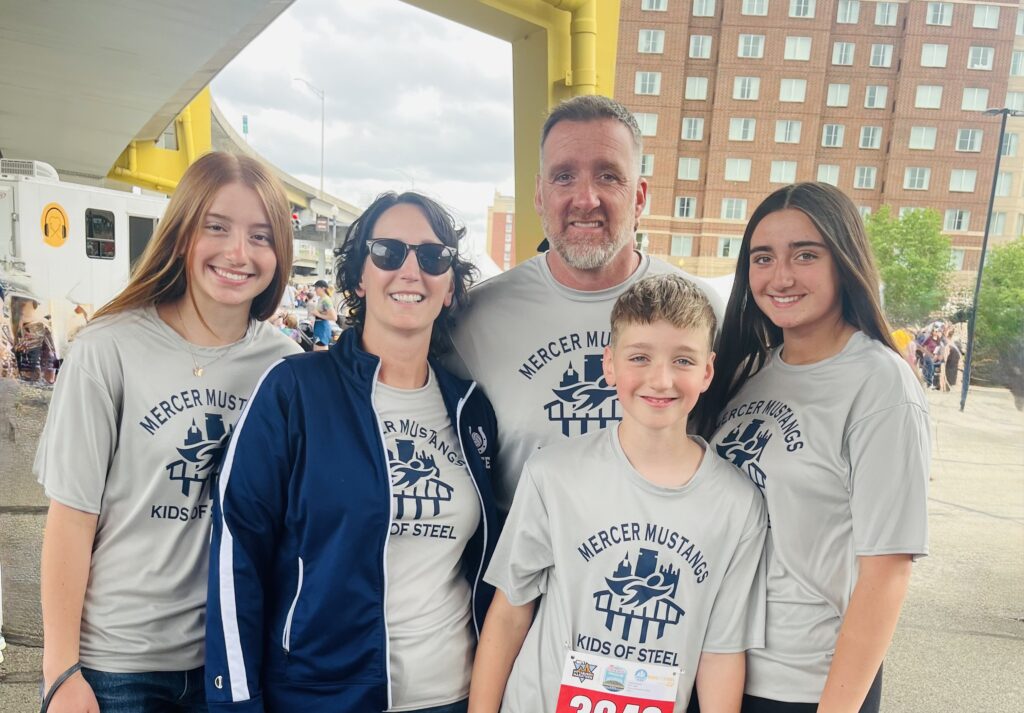
After undergoing treatment for hormone receptor-positive breast cancer in 2023, Deneil Baldwin believed the hardest days were behind her. Two years later, she was diagnosed with triple negative breast cancer. As she faced another round of treatment and difficult surgical decisions, her son found his own meaningful way to support her and help others affected by breast cancer.
A Second Breast Cancer Diagnosis
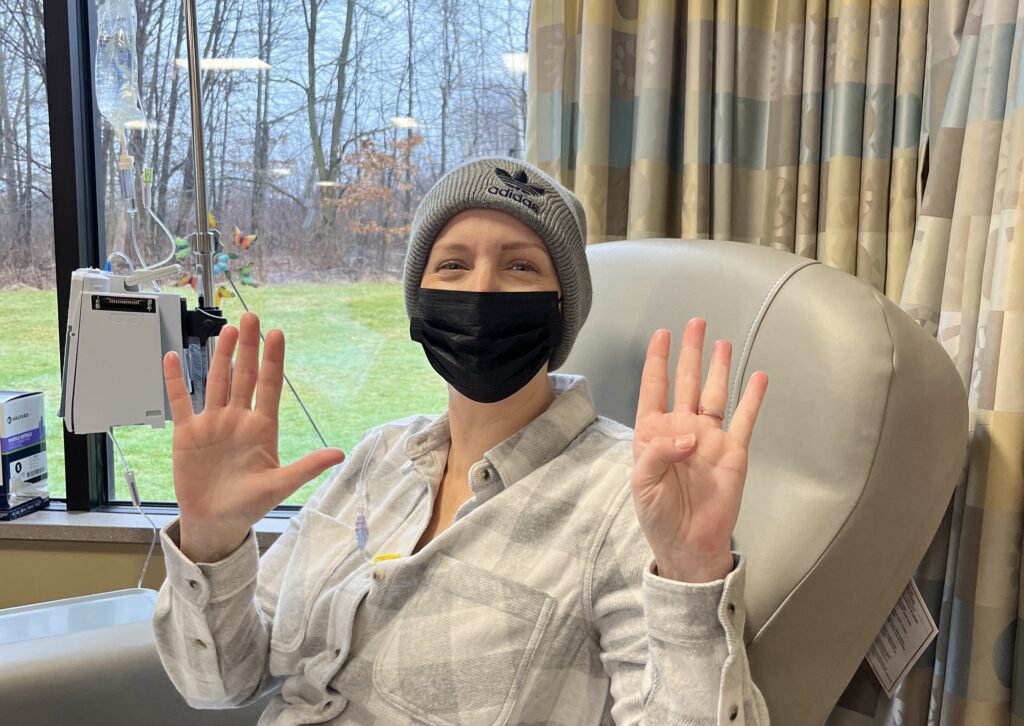
After completing treatment for her initial diagnosis, Deneil continued routine follow-up care, including alternating mammograms and breast MRIs every six months.
“I felt good knowing I was going to have these regular checkups,” she said.
In 2025, after her first MRI, follow-up tests revealed Deneil had triple negative breast cancer.
“I knew the risk of recurrence was there, but I never expected it to happen so soon,” she said. “I was on hormone therapy, so my doctors didn’t know if it was a new cancer or if it was residual cancer that mutated and developed resistance from the medication.”
After her first diagnosis, Deneil’s treatment plan included neoadjuvant chemotherapy, followed by a lumpectomy and radiation. When she was diagnosed a second time, her treatment was more aggressive – a double mastectomy followed by chemotherapy.
“The second time, I had a much shorter chemo timeline,” she said. “I think I handled it better because I knew what to expect and the treatment wasn’t as drawn out as the first time.”
Choosing an Aesthetic Flat Closure
To better monitor her for recurrence, Deneil’s doctors recommended she delay breast reconstruction for at least a year. Because of the radiation from her first breast cancer treatment, her only option was latissimus dorsi (LD) muscle flap reconstruction. In this procedure, a large muscle from the back is removed – along with skin and underlying fatty tissue – to reconstruct the breast.
After researching the surgery and discovering that some people experience ongoing weakness or pain, Deneil decided on an aesthetic flat closure.
“I play a lot of pickleball and lift weights, and I wasn’t willing to compromise all of that,” she said. “I never wanted to go flat, but it was the most reasonable choice for me.”
A Bake Sale with Impact: A Son’s Inspiration to Give Back
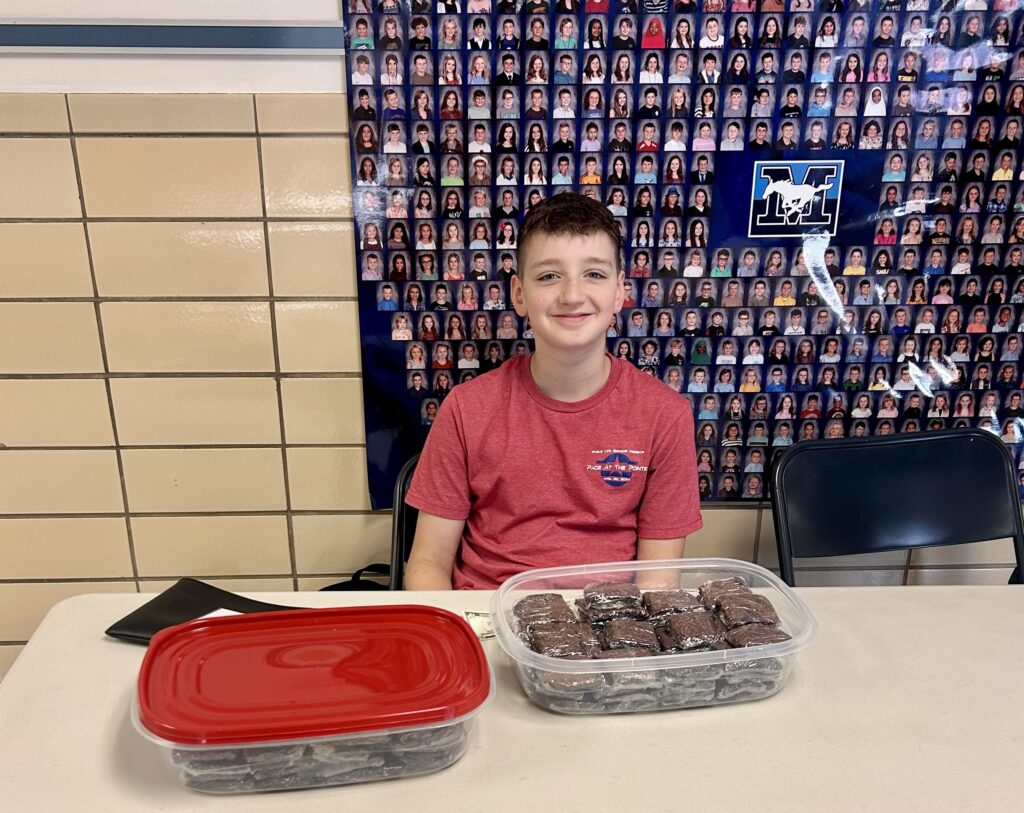
Just a few months after completing treatment, Deneil’s 12-year-old son, Cadock, came to her with an idea that surprised her.
“He loves baking, and he told me he wanted to do a charity bake sale at his school,” she said. “He wanted to donate the proceeds to Komen because they not only help patients, but they also provide money for research.”
Prior to bringing the idea to Deneil, Cadock spoke to his school’s principal for approval. “The principal kind of put him through the ringer a little bit, which was fun,” Deneil said. “He did everything – from deciding what to sell, how much to sell it for, designing flyers and making sure the ingredients were listed on all of his flyers.”
Every Friday morning for four weeks, Cadock set up a table to sell brownies for $1. The first week, he made eight dozen brownies and sold out within the first five minutes.
“After that, he made 12 dozen for the next three weeks and sold out every time,” Deneil said. “Everyone in the school was so supportive of his endeavor.”
By the end of the four-week fundraiser, Cadock raised $581 for Komen, and Deneil couldn’t be prouder.
“He came up with this plan completely on his own and made it happen,” she said. “It was such a healthy way for him to deal with all the emotions around my diagnosis.”
Start Your Own Komen Fundraiser to Help End Breast Cancer
Komen’s DIY Fundraising empowers you to choose where, when and how to raise money to support the fight to end breast cancer. With a variety of tools and resources, it’s easier than ever to make a meaningful impact. To learn more or start your own breast cancer fundraiser, visit www.komen.org/fundraise.
Statements and opinions expressed are that of the individual and do not express the views or opinions of Susan G. Komen. This information is being provided for educational purposes only and is not to be construed as medical advice. Persons with breast cancer should consult their healthcare provider with specific questions or concerns about their treatment.