
Mammography is the best tool available for finding breast cancer early. However, navigating the different recommendations from major health organizations, such as when to start receiving a mammogram and how often to go, can be confusing. These general guidelines often overlook the fact that every woman has unique, individual needs.
While many of these “one-size-fits-all” approaches have helped doctors find a lot of breast cancers early, they also treat everyone the same and don’t take into account that each individual has a different level of risk.
With the current age-based annual screening recommendations, some women may be called back to have more tests and procedures, which can lead to false alarms and anxiety. Others who are at a higher risk may need more frequent mammograms or additional imaging to detect breast cancers in their early stages.
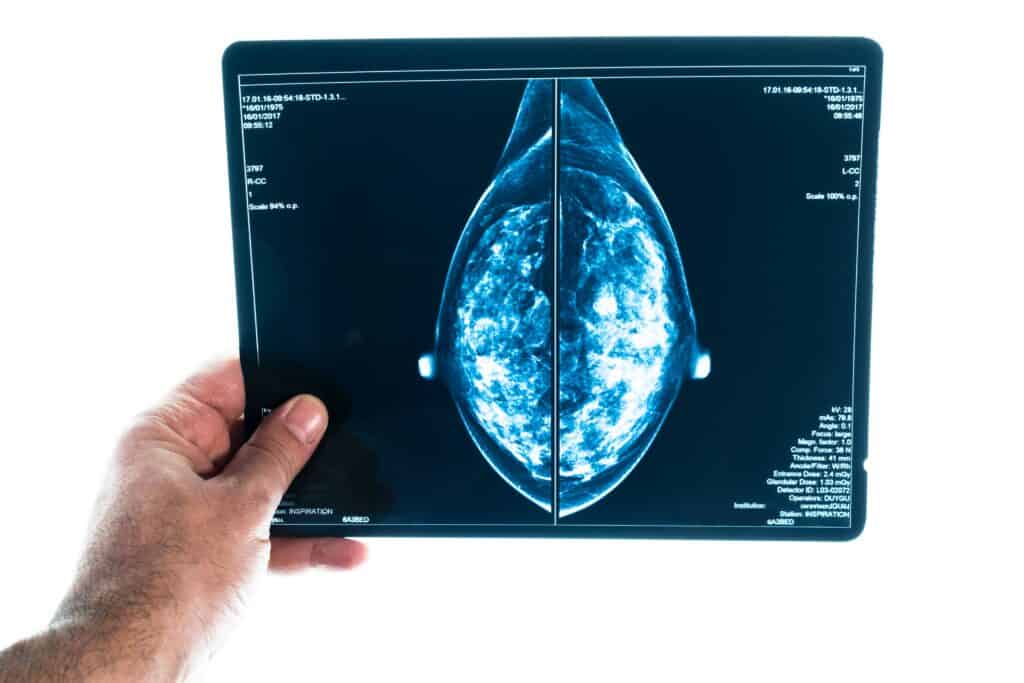
Laura Esserman, M.D., and her research team are exploring a simple but innovative idea: what if breast cancer screenings could be tailored to each woman’s individual risk? Through the Women Informed to Screen Depending on Measures of Risk (WISDOM) clinical trial, Dr. Esserman and her team hope to determine whether a more personalized, risk-based screening approach could lead to better outcomes for women than annual screening. Dr. Esserman is a breast cancer oncologist and principal investigator of the WISDOM clinical trial.
The WISDOM Clinical Trial
The WISDOM clinical trial is comparing two different breast cancer screening approaches, with the goal of uncovering which approach is safer, more tolerable and more effective for women. The first approach is a yearly screening mammogram starting at age 40. The second is a more personalized approach that is based on a woman’s unique risk factors for breast cancer, like family health history, genetics and breast density.
To qualify for the WISDOM trial, participants must be women ages 30 to 74 who live in the U.S. and have not had breast cancer. The WISDOM trial aims to recruit 100,000 women with diverse backgrounds, and so far, over 86,000 women have joined the study. Unlike other clinical trials, the WISDOM trial allows some participants to choose which study group they wish to join, depending on eligibility and study design. Younger women ages 30 to 39 are automatically enrolled in the personalized screening group, mainly because women in this age group do not have general screening guidelines.
Upon enrollment, participants receive a personalized screening plan based on which study group they are assigned to. Women in the annual screening group are recommended to receive a mammogram once a year, while those in the personalized screening group receive a custom-tailored screening plan with recommendations on when and how often to be screened for breast cancer based on their individual risk.
Participants in the personalized screening group fill out questionnaires about their health and family history and provide a saliva sample for genetic testing. Researchers combine this information with other factors, like breast density, to estimate each woman’s risk of developing breast cancer. Over time, researchers track both study groups to see how well each approach works. This includes how many cancers are found, how early they’re detected and whether the method reduces the number of unnecessary tests and false alarms.
During the five-year study period, participants complete an annual survey. This information helps researchers determine whether any adjustments should be made to the screening plan.
New Possibilities with a More Individualized Approach
At this year’s San Antonio Breast Cancer Symposium (SABCS), Dr. Esserman presented early findings for the first phase of the WISDOM trial, also known as WISDOM 1.0. Study data revealed that more tailored screening approaches, especially screening less often for some women, has not shown evidence of causing any harm so far.
Through these early results, researchers are starting to recognize how personalized screening could work well in everyday clinical care. Instead of relying on age alone, doctors can use things like family history or genetics to help choose a screening plan that really fits each patient. At the same time, with a better understanding of their own risk factors, women can feel more involved in their care and more confident in making informed decisions about their screening.
While early results of the WISDOM clinical trial show promise for a personalized approach to breast cancer screening, more data is needed to fully understand its long-term impact on patients. WISDOM 2.0, the second phase of the study, is currently active, and researchers hope it will help answer questions about the long-term effects of personalized breast cancer screenings.
The WISDOM clinical trial began in 2016 and is expected to wrap up in September 2026. Findings from this trial could offer women hope for a future where breast cancer screening is more tailored to each individual. This approach could help detect breast cancers earlier, when they’re most treatable and survival is highest, while also cutting down on unnecessary procedures and the stress that comes with them.
Susan G. Komen® believes all people should have access to regular screening when they and their health care providers decide it’s best based on their personal risk of breast cancer.
Take our brief survey and browse the rest of the Spotlight on Clinical Trials series here.
Learn more about the WISDOM clinical trial.
Explore the trial fact sheet
Read more about mammography on Komen’s About Breast Cancer pages.
Discover more educational resources about mammograms.
Visit our clinical trials page to learn more about clinical trials and read about our other featured clinical trials.