
Understanding metastasis can help you take charge of a cancer diagnosis. In this blog, you’ll learn four ways to help you take charge of a metastatic breast cancer (MBC) diagnosis so you can feel informed about what’s happening in your body and about some things to expect. An MBC diagnosis comes with a whirlwind of emotions and uncertainty. It may help to know you’re not alone. Susan G. Komen can help you find support through knowledge and resources.
Understanding metastasis
Metastasis occurs when breast cancer cells spread from the breast area through the bloodstream or the lymphatic system (a key reason why lymph nodes are checked with a breast cancer diagnosis). Metastatic breast cancer is also called stage 4 breast cancer or advanced breast cancer. When breast cancer has metastasized, it means the cancer has spread beyond the breast and nearby lymph nodes to other parts of the body like the lungs, bones, liver or brain. The cancer cells that spread beyond the breast are still breast cancer cells, however. For example, the cancer doesn’t become “bone cancer” when spread to the bones. It’s treated how breast cancer is treated, targeting features like hormone receptors and HER2 status.
A person could be diagnosed with MBC as their initial diagnosis, known as de novo MBC (accounting for about 6% of cases in women and about 10% in men), but they’re typically diagnosed with MBC after being treated for early-stage breast cancer. MBC is not currently curable. In the United States, about one third of people diagnosed with MBC live at least five years, and many live longer. At the same time, ongoing research and newer treatments are helping to improve that number and quality of life.

You may not be able to change the diagnosis, but you can take an active role in what comes next.
Here are four ways to take charge of your MBC diagnosis:
1. Understand your diagnosis and your treatment options
Every person’s breast cancer is unique and the MBC treatment landscape is advancing rapidly. New therapies, drug combinations, targeted treatments and supportive care approaches develop regularly. Staying informed helps you have clearer, more productive conversations with your health care team.
Your treatment options can depend on an array of things like your cancer’s biomarkers, location of metastasis, personal goals, preferences and previous treatments. That can feel like a lot to stay on top of. You don’t need to become an expert right now or at all, but learning some information gives you a starting point. Begin with trusted educational resources and writing questions down to bring to your care team.
Komen’s MBC Impact Series provides the MBC community with a collaborative space to gather information and resources related to MBC. You can also stay up to date with the latest breast cancer research advancements through Komen’s Breast Cancer Breakthroughs Series.
2. Track side effects and speak up early
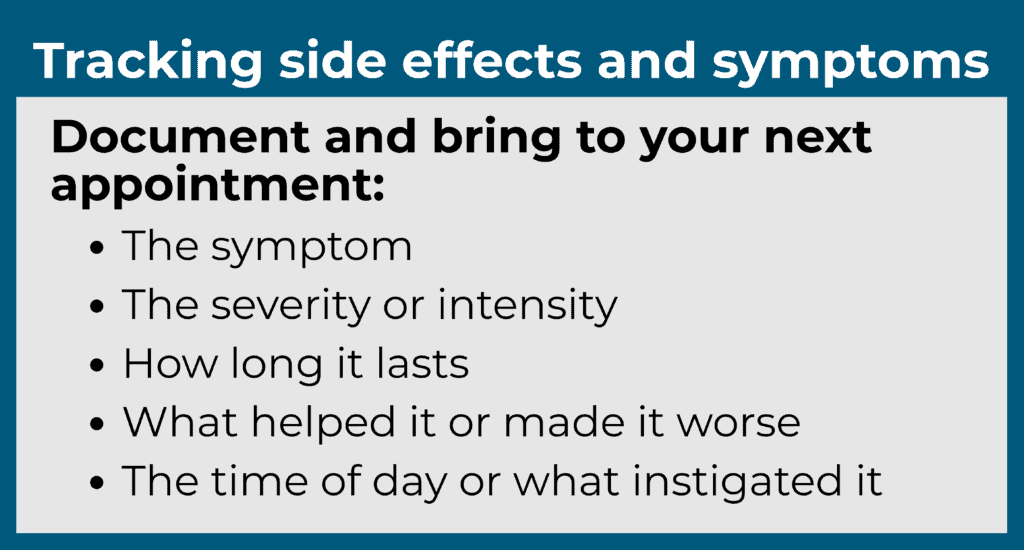
With MBC, treatment is long-term and while it’s effective, it can come with side effects. The good news is that many of them can be managed and some can be prevented. Don’t wait for the next appointment to bring up something causing discomfort or impacting your quality of life. Don’t feel you have to be strong and endure the side effects. Tell your doctor everything you’re experiencing. You can keep a journal of symptoms to help you notice changes – noting things like severity, how long the side effect lasts, what helps it or makes it worse and the time of day it happens. Your oncologist may prescribe certain medications to help manage your side effects or talk with you about adjusting the dose or schedule of your treatment. You could also ask your oncologist about a referral to a palliative care specialist, who can help manage symptoms and improve your quality of life during treatment.
3. Consider joining a clinical trial
Clinical trials are not a last resort. They can help people get access to advanced and cutting-edge treatments. A clinical trial is a research study in which you’re guaranteed at least the standard of care plus the possible opportunity to receive a breakthrough treatment before it could become widely available. Talk with your doctor about clinical trials before beginning treatment. Learn more from Komen’s “Inside MBC on Clinical Trials” or through more resources below.
4. Get the support you need
Just like each person’s breast cancer is unique, so is the type of support they need. Different options exist for social, emotional and practical support and more. While it may be hard to ask for help, try not to be afraid to let people know what you need. You’re not alone. It’s normal and common to need a variety of help while living with MBC. Connecting with supportive people and resources can make a big difference in mindset. It may look like: In-person or virtual support groups (often through your cancer treatment facility or local nonprofits) or connecting with others to get more information in Komen’s MBC Facebook group.
- One-on-one peer mentoring programs
- Counseling or therapy for emotional support
- Faith-driven communities
- Financial assistance
- Practical support like getting rides to appointments or help with children or meals
- Palliative care for symptom relief and quality of life
- Help finding clinical trials and understanding them
“For those of us living with MBC, it’s really important to prioritize self-care. To seek support, to stay informed about new treatment options and resources – because there’s a lot out there for us.”
Ashley Fernandez, patient living with MBC in the Real Pink Podcast episode “Beyond the Pink Ribbon: Living with Metastatic Breast Cancer”
Not sure where to start? The Komen Patient Care Center is your trusted, go-to source for timely, accurate breast health and breast cancer information, services and resources. Our navigators offer free, personalized support for you and your loved ones including education, emotional support, financial assistance, help accessing care and more. Call the Komen Breast Care Helpline at 1-877-GO KOMEN (1-877-465-6636) or email helpline@komen.org to get started. The Helpline is available Monday through Thursday, 9 a.m. – 7 p.m. (ET) and Friday, 9 a.m. – 6 p.m. (ET). Se habla español. You can also sign up for Komen’s metastatic breast cancer newsletter here.
We’d love your thoughts! Take our brief survey and browse the rest of the Know More series here.
Explore Downloadable Resources:
Metastatic Breast Cancer: What Is It? View PDF
Questions to Ask Your Doctor About Metastatic Breast Cancer View PDF
Read More:
List of Komen educational materials for MBC
Dedicated section of MBC information on komen.org
Upcoming breast cancer events hosted by Komen
Improving Quality of Life: Using Palliative Care for Metastatic Breast Cancer Patients blog
Metastatic Trial Search – For people diagnosed with metastatic breast cancer to search for relevant clinical trials
Managing side effects and supportive care
Spotlight on Clinical Trials: Updates in HER2+ MBC
Watch & Hear More:
Komen’s MBC Impact Series
Watch: Inside MBC Series
Real Pink Podcast – Beyond the Pink Ribbon: Living with Metastatic Breast Cancer