
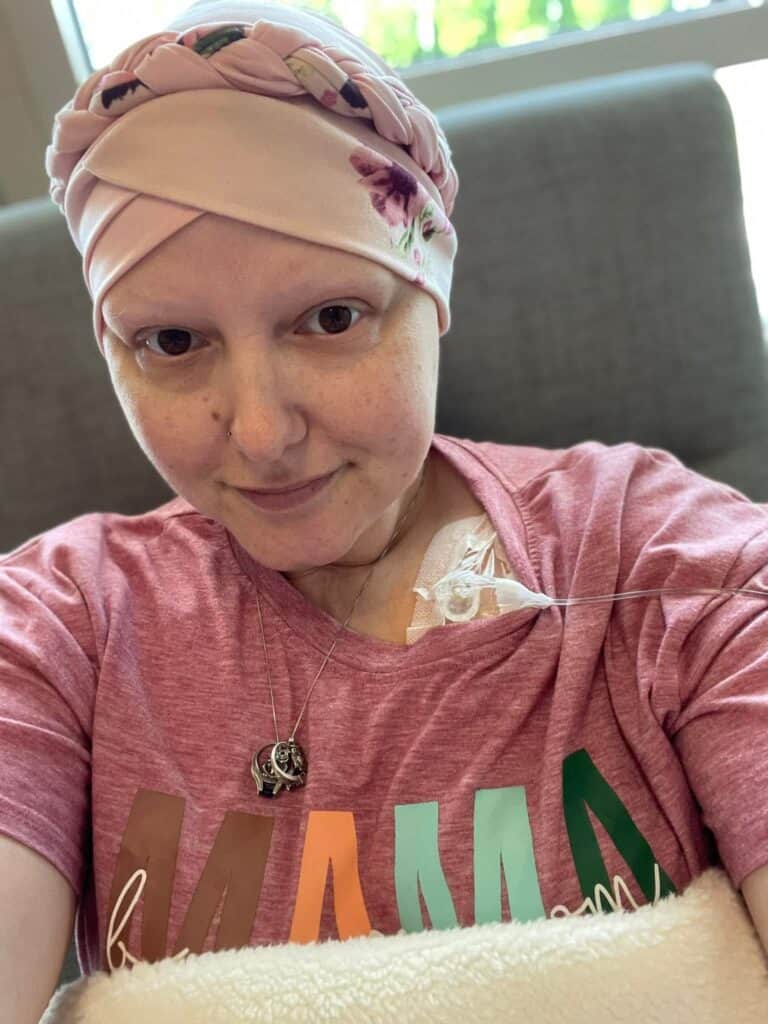
Keisha, married with two boys, was diagnosed with stage 2B triple negative breast cancer in 2023, when she was only 32.
Finding a Lump
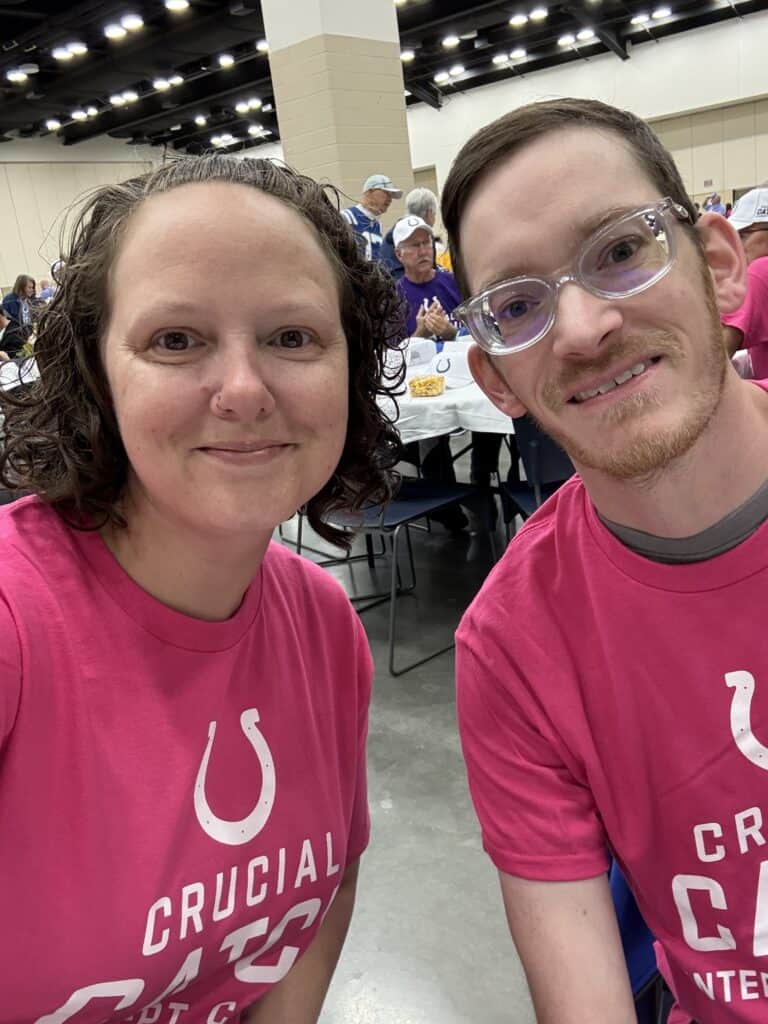
It was a normal Friday night for Keisha. She was hanging out with her husband when she felt a lump in her right breast. “I asked him if he felt it, too, and he said yes,” she recalled.
Keisha put the lump out of her mind for the rest of the weekend, but on Monday she told a coworker about it as soon as she arrived at work. “We work at a women’s health center. My coworker immediately told me to make an appointment,” Keisha said.
Four days later, Keisha met with one of the nurse practitioners at the practice where she works. “She felt the lump, too. I was only 32, so she ordered diagnostic imaging, since I hadn’t had a screening mammogram,” she explained.
Follow Up Tests
Keisha had a diagnostic mammogram a few weeks later, followed by a breast ultrasound. “That came back suspicious, so they sent me for a biopsy, which happened a week later,” said Keisha. “Waiting for the biopsy results was agony.”
Breast Cancer
Late on a Friday afternoon, Keisha saw the results of the biopsy in her MyChart, before she had a chance to talk to anyone. “I went to the nurse practitioner and showed her my results and asked what it meant,” Keisha said. “She told me it was breast cancer. I immediately started crying, so she took me into a room and started making phone calls. She wanted to make sure somebody called me that day to tell me what my next steps were.”
Treatment Details
Keisha’s treatment began with chemotherapy, which she started before meeting with a breast surgeon.
Keisha had a port put in place for chemotherapy, then she had an echocardiogram (heart test) to see if she could begin treatment on the KEYNOTE-522 clinical trial, which includes chemotherapy with an immunotherapy drug. Once it was determined that she could participate in the clinical trial, Keisha started treatment.
“My cancer was very aggressive, so chemo began immediately,” she explained. Keisha did experience some difficulties throughout treatment. While undergoing chemotherapy, she developed a neutropenic fever due to having low while blood cell counts and was hospitalized for several days.
Choosing a New Doctor
Shortly after completing chemotherapy, Keisha realized she and her oncologist were not seeing eye-to-eye, so she sought out a new doctor. “Finding a new oncologist was the best thing for me,” said Keisha. “I felt my old doctor wasn’t listening to me, and the new doctor was on top of every little thing.”
Breast Surgery & Radiation
Keisha finished chemotherapy in September and had a lumpectomy and breast reconstruction in October. Once again, she ended up hospitalized, this time for a streptococcal infection in her right breast and cellulitis in her left breast. In January 2024, Keisha underwent 20 rounds of radiation therapy.
Telling the Kids
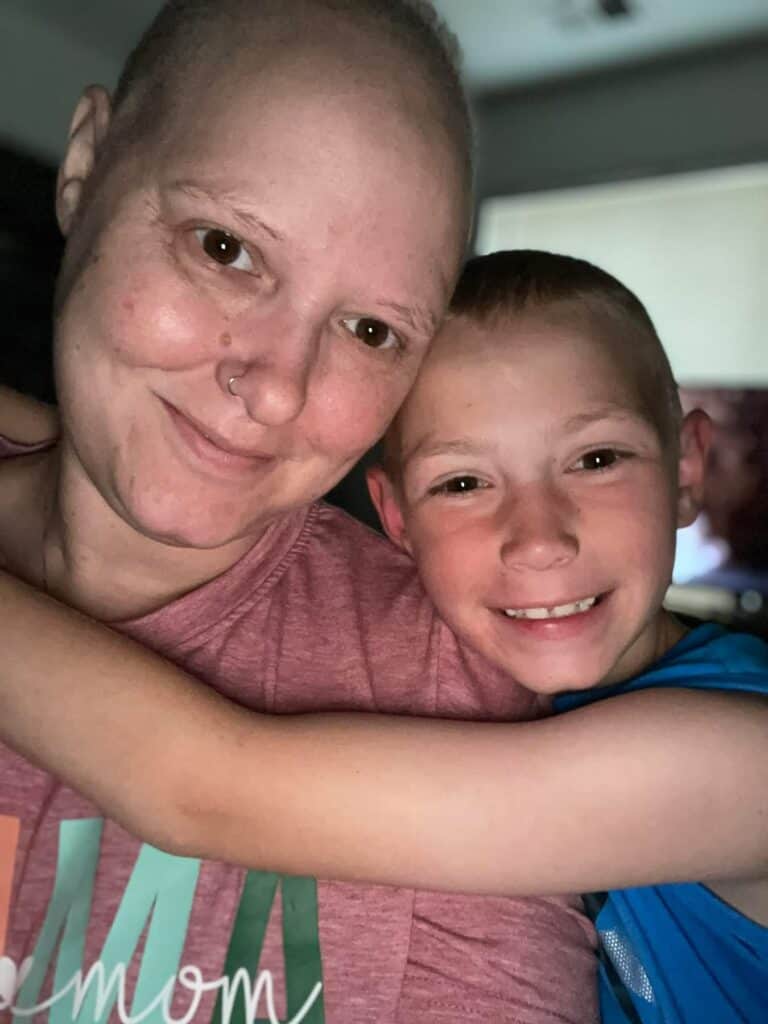
At the time of her diagnosis, Keisha’s sons were 7 and 12 years old. “My mother-in-law is a breast cancer survivor, so she told my kids, she explained it in age-appropriate ways for them,” Keisha said. “My youngest knew mommy was sick, but he didn’t really understand it. My oldest understood and was so supportive and caring.”
Keisha and her husband worked to keep things as normal as possible for the boys. “I couldn’t control what was going on with me, but I could control things like going to work and keeping routines consistent for the boys,” she said.
Beyond Treatment
Keisha has found that her personal experiences with breast cancer have made her more compassionate at work – and more of an advocate for others. “I was 32 and that’s young for a breast cancer diagnosis,” Keisha said. “I tell people it’s just so important to know your body. You know your body best. If something doesn’t seem right, tell someone. Go to the doctor. It could be nothing, but it could be something.”
Statements and opinions expressed are that of the individual and do not express the views or opinions of Susan G. Komen. This information is being provided for educational purposes only and is not to be construed as medical advice. Persons with breast cancer should consult their health care provider with specific questions or concerns about their treatment.