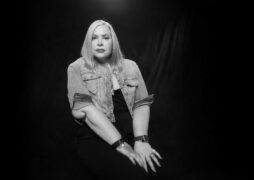
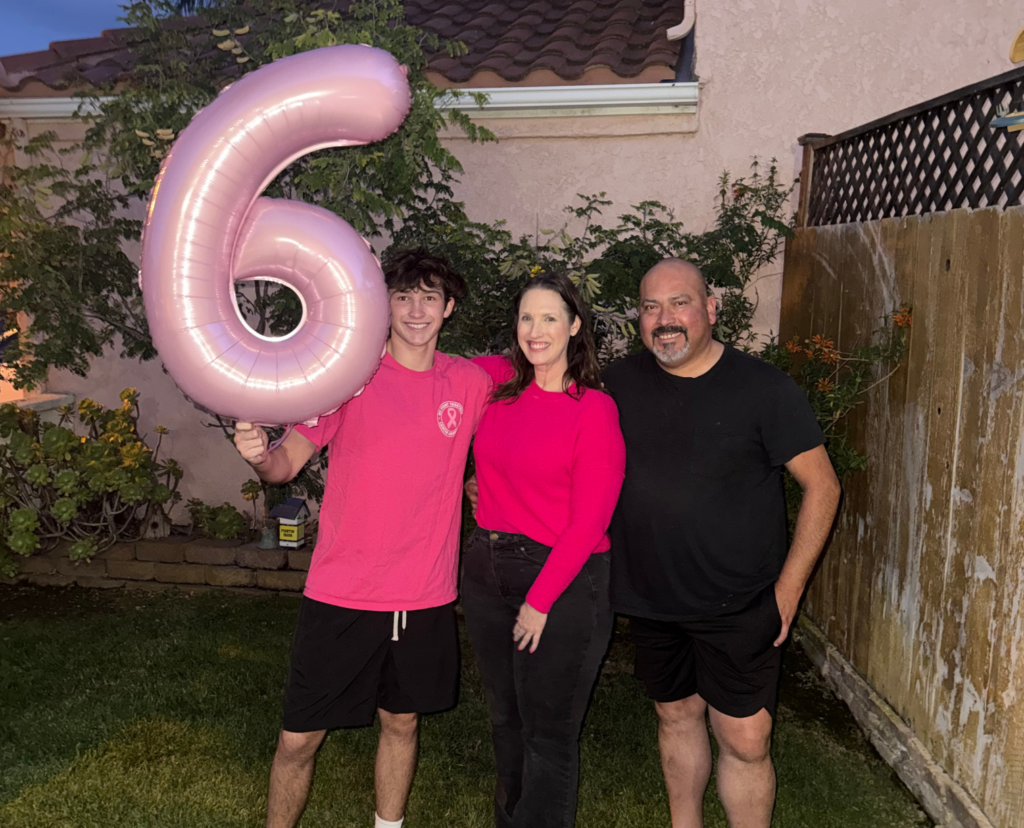
Breast cancer support has come in many forms for Amanda Crespo, from the care of her oncologist, Dr. Samina Ahmed, to the peer mentor who helped her navigate treatment. Now a peer mentor herself, Amanda will join Dr. Ahmed at the Komen Orange County Pink Tie Party, where Dr. Ahmed will be recognized for her commitment to the breast cancer community as a Pink Tie Partner.
For many people who have experienced breast cancer, reaching the five-year mark is an important milestone. It’s a moment to celebrate how far they’ve come and, for some, it’s a chance to step away from regular oncology care. For Amanda, the celebration came with a feeling she didn’t expect – the anxiety of saying goodbye to her oncologist.
After years of appointments, scans and conversations with Dr. Ahmed, Amanda had grown accustomed to having someone in her corner who knew her history and understood what she needed. When Dr. Ahmed told her it was time to “graduate” from regular oncology visits, Amanda wasn’t ready to move on.
“I’m not ready to be by myself,” she told Dr. Ahmed.
And Dr. Ahmed understood.
A Breast Cancer Diagnosis at 38
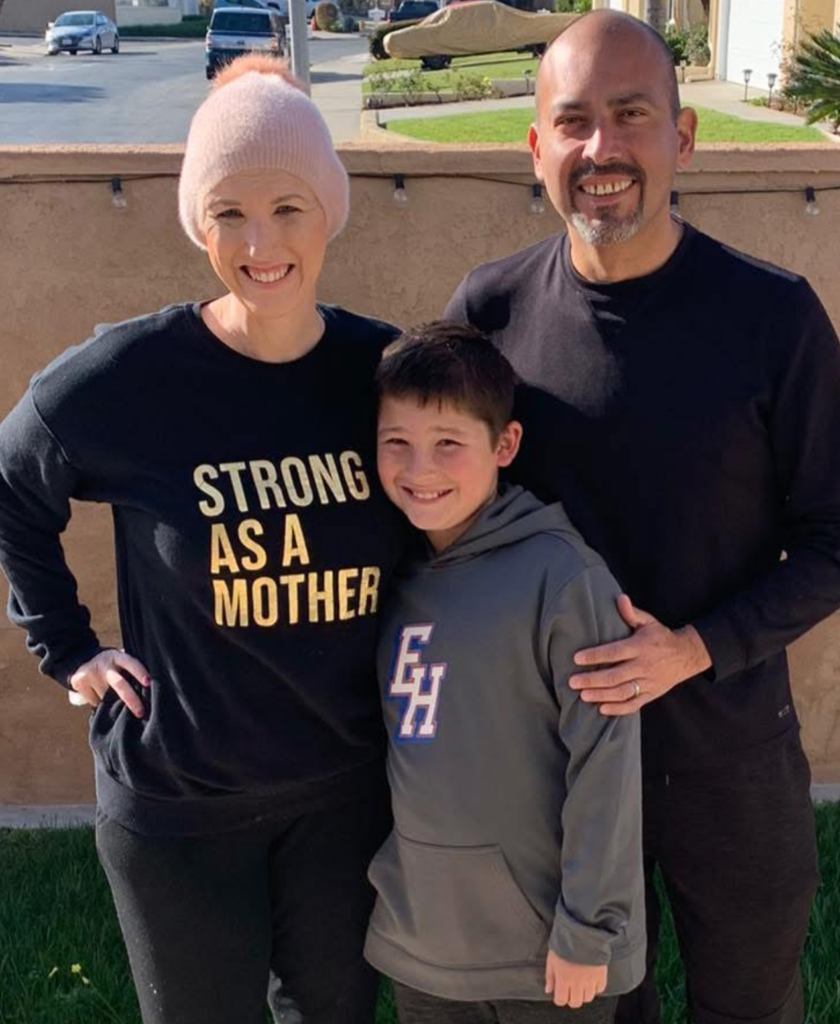
Amanda was 38 when she discovered the lump that led to her breast cancer diagnosis almost by accident.
“I was in the shower, and when I went to get more soap for my sponge, I felt a bump,” she said. “I thought it was weird, but I didn’t think much of it. After I mentioned it to some friends and my husband, they encouraged me to get it checked out.”
A nurse practitioner referred Amanda for a diagnostic mammogram and breast ultrasound. The radiologist recommended a biopsy, which confirmed she had breast cancer.
At the time, Amanda was less than 90 days into a new job and didn’t qualify for company health insurance. Up until that point, she paid for everything out of pocket. Fortunately, her husband was able to add her to his health plan.
“The diagnosis came on a Wednesday, and I had an appointment with a primary care doctor that Friday,” she said. “We didn’t have much information; we just knew it was cancer.”
Additional tests confirmed Amanda’s diagnosis of triple negative breast cancer. Not long after, she had her first appointment with Dr. Ahmed, a board-certified medical oncologist and hematologist with Kaiser Permanente in Orange County.
Finding Breast Cancer Support After Diagnosis
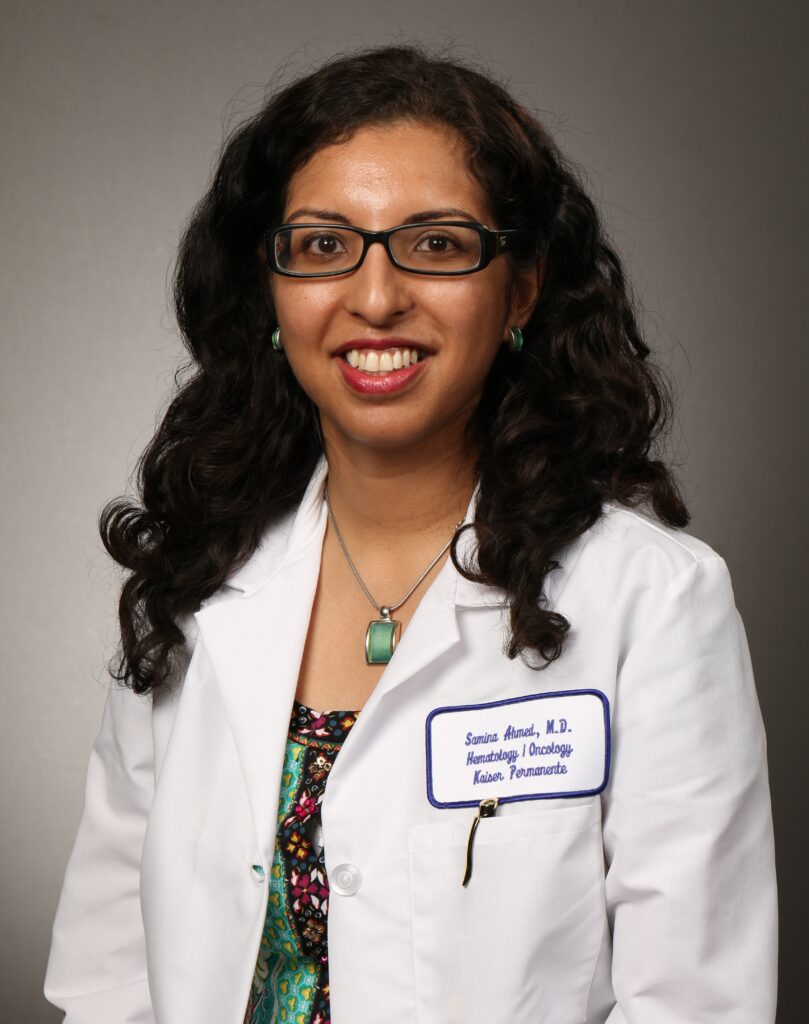
“From day one, I felt so comfortable with her,” Amanda said. “She’s so straightforward and direct, which is just what I needed at the time.”
Dr. Ahmed clearly remembers the first appointment with Amanda.
“What I remember the most is that she came in very scared,” Dr. Ahmed recalled. “Triple negative breast cancer is a scary diagnosis, and for me, the most important thing was to emphasize that we were going to be a team. This is what we are going to do, and we are going to do it together.”
For Ahmed, the sense of partnership she established with Amanda is at the heart of why she became an oncologist in the first place.
“People ask me why I chose to go into a depressing field,” she said. “But my answer is always the same. I get a chance to make a strong personal connection with people and build trust so they know that even when I have to deliver bad news, I’m coming from a place where I care about them and will do what is right for the situation.”
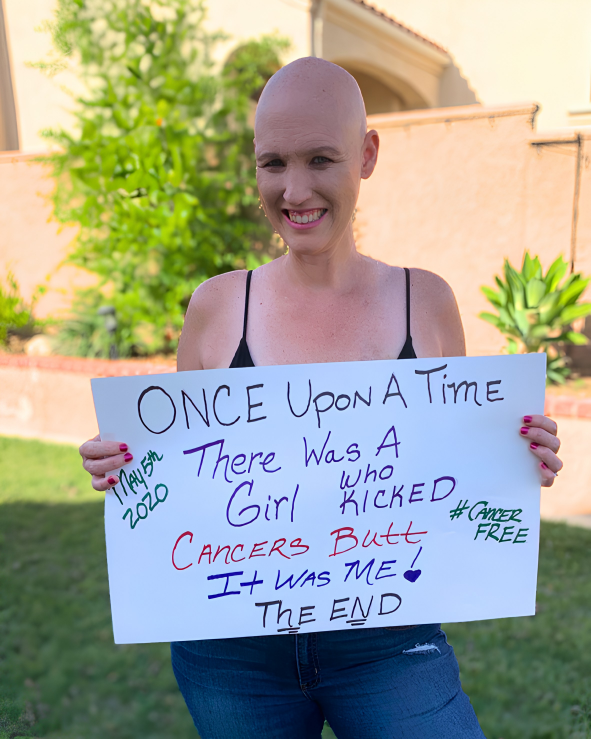
For Amanda, that trust became especially important as her treatment began with 12 rounds of neoadjuvant chemotherapy.
“I was numb to it all and was just doing what I was told,” she said. “So, whatever Dr. Ahmed told me to do, I did it.”
Her final chemo session came in the first days of the COVID-19 pandemic. Visitors weren’t allowed to accompany her for her lumpectomy or the radiation therapy that followed.
Still, her community found a way to show their support. When Amanda returned home after her final chemo treatment, she was greeted by a parade of neighbors lining the street to celebrate with her.
Becoming a Source of Support for Others
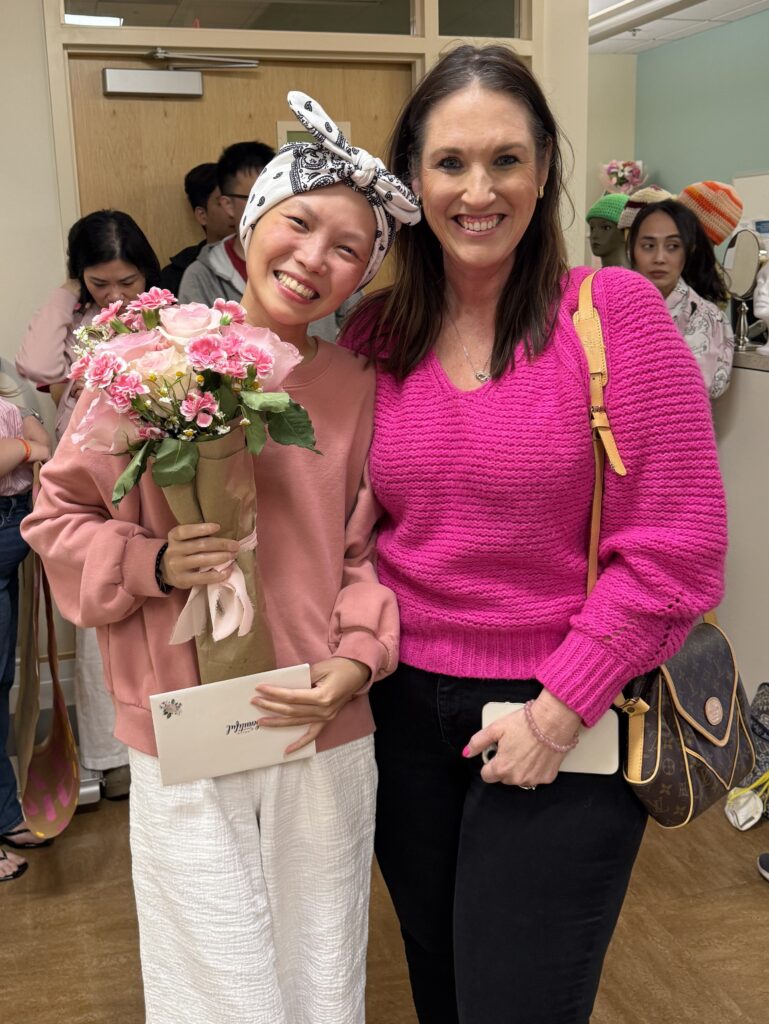
Early in her diagnosis, she connected with a peer mentor who provided another source of breast cancer support as she navigated treatment.
“She was a little younger than me and was a few years out from treatment,” Amanda said. “It was just nice to talk to someone younger. We really clicked, which was awesome.”
When her mentor stepped away from the volunteer role, Amanda had the opportunity to step in. For the last four years, she has provided support to other young women with breast cancer.
“When you’re diagnosed, you get all these pamphlets and phone numbers, but you don’t really know what to do,” Amanda said. “Sometimes it’s nice to talk to a volunteer that’s gone through it. If they’re scared about something, I can reassure them that it’s normal, they’re not alone and it’s going to get better.”
Dr. Ahmed has watched Amanda turn her own experience into a source of support for others, something she finds particularly meaningful.
“What inspires me about Amanda and some of the other patients who are peer mentors is that they can say, ‘I went through this, and I want to help others go through it,’” she said.
Five Years Later: Not Quite Ready to Graduate
Even as Amanda helps others navigate their own diagnoses, there is one source of reassurance she isn’t quite ready to give up: her appointments with Dr. Ahmed.
“The way I explain it is that five years is the most important milestone,” Dr. Ahmed said. “After the exam, I’ll say, ‘Great, nothing on the exam. Congratulations, today’s graduation day.’”
For many of Dr. Ahmed’s patients, graduation is welcome news. For Amanda, it prompted a different reaction.
“I don’t know why I’m not ready to be by myself,” Amanda said. “I don’t know if I’ll ever be. Because in my mind, I still need the follow-up appointments to make sure that I’m OK.”
A Champion for the Breast Cancer Community
The relationship Amanda and Dr. Ahmed have built is one example of how support can make a difference before and after treatment. For Dr. Ahmed, that commitment extends beyond the exam room.
“You’re not the doctor or the patient, but as a donor, you are making a significant impact. You’re making it easier for someone to get the treatment they need and helping them have one less thing to worry about.”
Dr. Samina Ahmed
She became involved with Komen several years ago when she was invited to speak with patients and families about metastatic breast cancer (MBC) to help them better understand the disease and available treatments.
This year, Dr. Ahmed is being recognized as a Pink Tie Partner for her dedication to patients and the breast cancer community.
“It’s such an honor and privilege because it recognizes what we are doing for our patients, their families and the community,” she said.
At this year’s Orange County Pink Tie Party, Amanda and Dr. Ahmed will share a stage once again as part of a community coming together to raise funds to help end breast cancer. For Dr. Ahmed, every person who supports that effort has an opportunity to make a difference.
Statements and opinions expressed are that of the individual and do not express the views or opinions of Susan G. Komen. This information is being provided for educational purposes only and is not to be construed as medical advice. Persons with breast cancer should consult their healthcare provider with specific questions or concerns about their treatment.